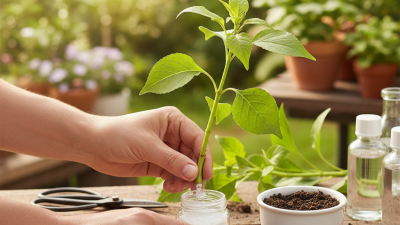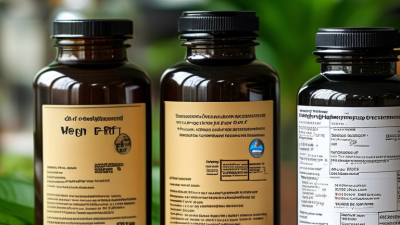
Choosing the Top Root Growth Powder for Healthy Plant Growth starts with a simple question: what does the plant actually need? A rooting powder may support root formation in suitable cuttings, but it cannot repair a damaged stem, stale potting mix, or a pot that stays waterlogged. Look closely at the label. Check the active ingredient, directions, and intended plant types. A light coating is usually enough; excess powder can clump around a cut stem. Small details matter.
Horticulturist Dr. Linda Chalker-Scott is known for evidence-based guidance on plant care. A fair paraphrase of her approach is: “No product can replace healthy plant material and suitable growing conditions.” That is a paraphrase, not a verbatim quotation. It also keeps expectations grounded. Use clean tools, fresh growing medium, and steady moisture. Keep the cutting warm, but out of harsh midday sun. Then watch for firm new growth rather than relying on a quick tug at the stem. Results vary. Some cuttings root slowly, even when every step seems right. And that can be frustrating. A useful Root Growth Powder guide should compare product labels, explain safe application, and make clear when a powder may not help. Good roots begin with good conditions—not a magic fix.
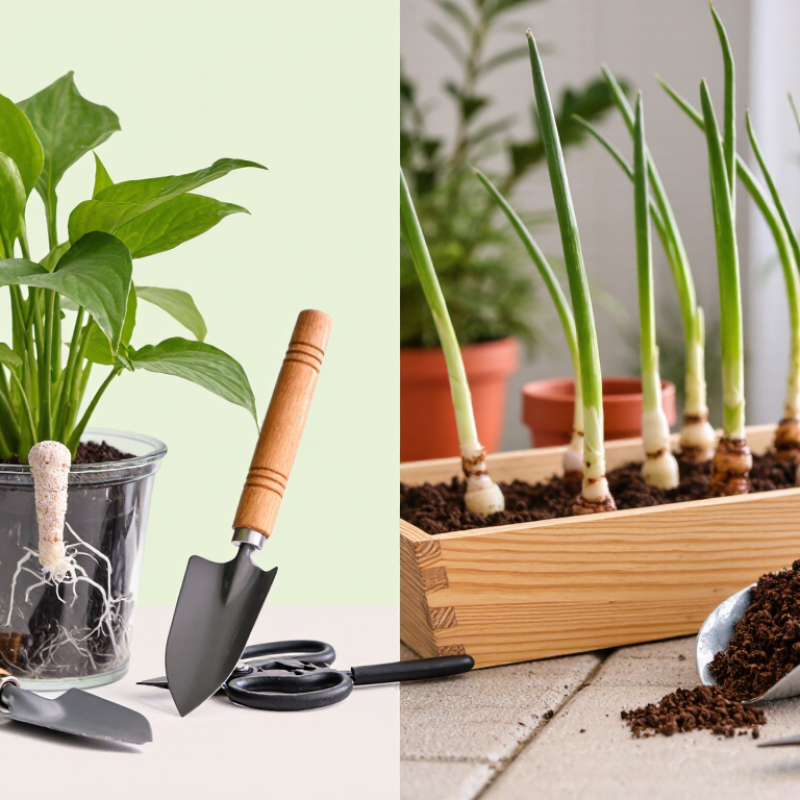
Root growth powder is a dry rooting aid used mainly when propagating stem cuttings. Many formulas contain an auxin, a plant hormone that supports root initiation. Indole-3-butyric acid, often called IBA, is a common active ingredient. It is not fertilizer. Its purpose is to encourage roots at a cut surface, not to supply food or fix an unhealthy plant.
When a cutting’s freshly trimmed end is lightly coated, the powder can stay in contact with the tissue as the cutting is planted. The hormone influences cells near the wound, helping them develop into roots under suitable conditions. Results still depend on the plant species, cutting age, temperature, and moisture. Powder cannot make every stem root.
Use a clean blade and follow the product label, since concentrations and directions vary. Usually, a thin coating is enough; excess powder may damage tissue or hinder rooting. A loose, lightly moist propagation medium and bright, indirect light support the process. Avoid soaking the pot. Too much water can deprive new roots of air and invite rot. It is tempting to treat the powder as a guarantee, but propagation remains a bit unpredictable. Even a carefully prepared cutting may fail, so starting a few can be practical.
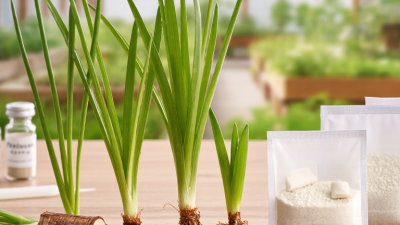
Root growth powders may contain indole-3-butyric acid (IBA), an auxin that can encourage root initiation on suitable cuttings. Some formulations use other rooting hormones, while others include beneficial fungi, bacteria, or seaweed extracts. These ingredients do different jobs; they are not interchangeable. A hormone may support root formation, while microbes can help roots interact with the growing medium. Check the ingredient list, since a long list does not automatically mean better results.
A small amount is usually enough. Lightly moisten the cut end, dip it into the powder, and tap off the excess before planting in a clean, airy medium. Too much powder can coat the stem unevenly and may hinder rather than help. Keep the medium slightly moist, not waterlogged, and provide warmth and gentle light. The cutting’s species, freshness, and growing conditions matter just as much as the formula. No powder can rescue a rotting stem or poor care. That part is easy to underestimate. Results can vary, so compare a few cuttings with and without powder rather than assuming every ingredient works for every plant.
Choose a root growth powder for the plant you are actually propagating. A product suited to soft-stem cuttings may not be appropriate for every plant or method. Read the label for the intended plant types, active ingredients, application directions, and storage guidance. Some powders contain rooting hormones, but more is not automatically better. Less is safer. Check the expiry date, too, since old or poorly stored powder may be less reliable.
For a cutting, use clean snips and follow the label’s method. Usually, only the cut end needs a light coating; tap away loose powder before placing it in a suitable, lightly moist growing medium. A thick layer can cake around the stem, while powder cannot compensate for a crushed cutting, soggy soil, or poor light. Keep conditions steady and check for firm stems and new root growth rather than tugging repeatedly. Not every time. Results vary with plant species, season, and cutting health, so consider testing a few cuttings with and without powder. That small comparison can reveal whether the product helps your plants, instead of relying on claims alone.
Root growth powder works best when it is used sparingly on suitable plant cuttings. Check the product label first, since ingredients and directions can differ. Prepare a clean pot with a lightly moist, well-draining propagation mix. Take a healthy cutting with a sharp, clean blade, then remove leaves from the portion that will sit below the surface. Keep the cut end tidy. A crushed stem may absorb powder unevenly.
Pour a small amount of powder into a separate dish. Lightly moisten the cut end if the label recommends it, then coat only the lower portion. Tap off the excess; a thick layer can cake around the stem instead of helping. Never dip cuttings directly into the original container, because plant material can contaminate it. Place the cutting into a pre-made hole so the powder stays on the stem, then gently firm the mix around it. Keep the medium evenly moist, not waterlogged, and provide bright, indirect light. I used to assume more powder meant faster roots. It doesn’t. Some cuttings also root without any powder, so compare a few and keep notes. Wear gloves if advised, avoid breathing dust, and store the container as directed.
Rooting powder can support root development, but it is not a guarantee. A cutting still needs the right plant species, healthy tissue, suitable warmth, and steady moisture. Too much powder may coat the stem heavily or irritate tender tissue. A thin, even layer is usually more sensible than a thick white crust. I find it easy to overapply when rushing; that is a habit worth checking.
Handle the powder gently. Avoid breathing it in, and keep it away from your eyes, food, children, and pets. Follow the product label, including any directions for gloves or cleanup. If powder spills, wipe it up carefully rather than stirring dust into the air. Wash your hands afterward. Simple, but easy to skip.
Storage affects performance. Keep the container tightly closed in a cool, dry place, away from direct sun, heaters, and damp potting areas. Moisture can make powder clump, while heat and light may reduce its usefulness over time. Keep it in its original, labeled container; never use a food jar. Check the label for its shelf life and disposal guidance. A clump does not always mean the powder is unsafe, but it can make accurate application difficult.