China Top Rooting Hormone Powder Supplier for Global Buyers
For global buyers, choosing a Rooting Hormone Powder supplier is not just a matter of comparing prices. Consistent formulation, clear product specifications, and practical application guidance matter just as much. A batch may look fine in its sealed pouch, yet perform differently if concentration, storage, or handling varies. Small details count.
Plant-propagation authorities Hudson T. Hartmann and Dale E. Kester emphasized the importance of understanding how plant material responds to propagation methods. Put simply, hormone treatment should support sound propagation practice, not replace it. This is a paraphrase of their guidance, not a direct quotation. Their work offers a useful foundation for buyers assessing products and supplier claims.
This article explores what international purchasers should examine when evaluating a China-based Rooting Hormone Powder supplier. It considers product documentation, formulation consistency, packaging, communication, and support for different propagation needs. These checks help buyers ask better questions before placing an order. Not every supplier provides the same level of detail. That can be frustrating.
A dependable supplier should explain recommended use clearly and provide relevant, verifiable product information. Buyers should also confirm that the product suits their intended plant species and local requirements. Rooting results depend on more than powder alone: cutting condition, humidity, temperature, and technique all play a role. No supplier can promise identical results in every setting. Careful comparison—and a willingness to question broad claims—makes the search more reliable.
What Is Rooting Hormone Powder and How Does It Work?
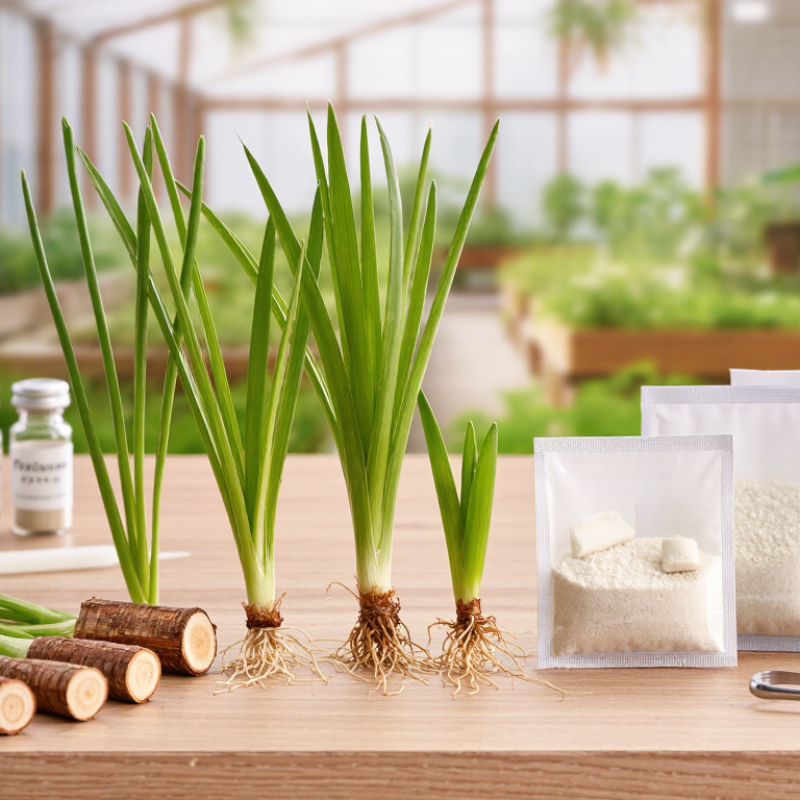
Rooting hormone powder is a plant propagation aid used on fresh stem cuttings. It commonly contains an auxin, a plant growth regulator that can encourage root formation when applied to the cut end. The powder is not plant food, and it cannot revive a cutting that has dried out or rotted. It may help. Results depend on plant species, cutting age, temperature, and moisture.
To use it, make a clean cut with a sharp tool, then lightly dampen the base so a small amount of powder can adhere. Tap off excess; a thick coating is not better and may interfere with the cutting’s contact with the propagation medium. Place the treated end into a suitable, clean medium and keep conditions evenly moist, not waterlogged. Roots develop as plant cells respond to auxin and begin forming root tissue near the wound. This process takes time. Some cuttings root within weeks, while others respond poorly even when handled carefully. That part is easy to misjudge. A grower should check the product instructions for the plant type and avoid contaminating the container by dipping cuttings directly into the original supply. Good sanitation and steady care still matter more than the powder alone.
Which Types of Rooting Hormone Powder Are Used for Plant Propagation?
Rooting hormone powders support propagation by delivering auxins to a cutting’s wounded base. Indole-3-butyric acid, or IBA, is widely used because it can encourage root development in many ornamental and woody plants. Some formulations contain naphthaleneacetic acid, or NAA, alone or blended with IBA. The best choice depends on the plant, cutting maturity, and growing conditions. A powder is not a guarantee. Poor sanitation or waterlogged media can still cause failure.
Products may be formulated for softwood, semi-hardwood, or hardwood cuttings, with different hormone strengths suited to varying levels of difficulty. Soft, actively growing stems often need a lighter treatment than mature, woody material. Check the product label and local guidance rather than assuming one strength fits every species. Dip only the cut end, then tap off excess powder; a thick coating can be counterproductive. I have seen healthy-looking cuttings stall, which is a reminder that temperature and moisture matter too.
Tips: Test a small batch before treating many cuttings. Use clean tools and fresh, well-draining propagation media. Keep notes on plant type, treatment, and rooting results; the record may reveal patterns, though one trial can be misleading. Store powder sealed and dry, away from children and pets.
How Do Global Buyers Evaluate a Chinese Rooting Hormone Powder Supplier?
Global buyers should evaluate a rooting hormone powder supplier through evidence, not polished claims. Request a current product specification and batch-specific certificate of analysis. Check that the stated active ingredient, concentration, appearance, and storage conditions match the label. Details matter. A sealed sample can also reveal whether the powder is dry, uniform, and easy to measure.
Ask how batches are identified and how quality records are retained. Clear answers about testing, packaging, and shelf-life support are more useful than broad promises. Review the safety data sheet and confirm that product documents meet the requirements of your destination market. Import rules vary. A supplier should explain what documents it can provide, without guaranteeing approval by local authorities.
Test a small quantity under controlled conditions before placing a large order. Keep the plant species, cutting age, application method, and results recorded; these factors can affect performance. Check whether the supplier offers practical handling guidance and responds precisely to technical questions. Price still matters, but the cheapest offer may leave important questions unanswered. And a neat certificate is not proof of every field result. I would treat inconsistent documentation or vague batch details as reasons to pause, even when the sample looks acceptable.
What Quality, Safety, and Export Standards Should Buyers Check?
For a rooting hormone powder, check the active ingredient, stated concentration, batch number, and expiry date before comparing prices. Request a batch-specific certificate of analysis, not a generic sample sheet. It should show assay results and test methods, with limits for relevant impurities and moisture. Ask whether an independent laboratory accredited to ISO/IEC 17025 performed the tests. Small differences matter: a powder that cakes in a humid warehouse may be difficult to dose evenly.
Safety documents deserve the same scrutiny. Review the safety data sheet, handling instructions, storage temperature, and packaging details. Sealed, moisture-resistant inner bags and clear lot markings help protect traceability during shipment. The FAO reported global pesticide use of 3.70 million tonnes in 2022; this broad figure is not specific to rooting hormones, but it underlines why responsible chemical handling matters. Check that product classification, labels, and export documents match the destination market’s requirements. Rules vary. Do not assume one certificate covers every country.
Reliable suppliers can explain how they control batch variation and respond to complaints. Ask for retained-sample procedures and a clear process for investigating damaged or inconsistent lots. One detail is easy to miss: test results describe the sample tested, not automatically every bag in a shipment. Request evidence of routine batch controls. A perfect-looking document is not enough. Verify the numbers, dates, and lot codes against the physical packaging.
How Can Buyers Choose the Right Supplier for Their Needs?
Choosing a rooting hormone powder supplier requires more than comparing prices. FAOSTAT records roughly 933 million tonnes of fruit production worldwide in 2022, a reminder of the scale and diversity of crops growers propagate. That figure does not measure hormone demand, though. Buyers should match the powder’s stated active ingredient and concentration to their crop, cutting type, and application method. Ask for a current batch certificate of analysis, clear storage guidance, and evidence that quality checks are repeatable. Small details matter: a sealed pouch should carry a legible batch number, and the powder should not arrive damp or clumped.
Request a sample and test it on a small, representative set of cuttings before placing a large order. Compare rooting response against an untreated control, and record the cultivar, temperature, humidity, and application dose. Results can shift with growing conditions.
That part is easy to underestimate. Suppliers should explain technical specifications plainly and respond with traceable documents, not vague claims. Check production capacity, lead times, packaging options, and how complaints are investigated. Independent laboratory testing can strengthen confidence, but confirm the test scope and method; a certificate alone is not proof of suitability for every crop. The FAO production data provides useful agricultural context, while product trials and verifiable quality records should guide the final supplier decision.