2025 How to Use Pregabalin Medicine Effectively for Pain Management
Efficient pain management remains a critical component of healthcare, particularly as chronic pain affects over 20% of adults globally, according to the Global Burden of Disease Study. Among the various pharmacological options available, Pregabalin Medicine has emerged as a pivotal therapeutic agent for managing neuropathic pain conditions. Studies show that Pregabalin not only alleviates pain but also improves the quality of life for patients suffering from conditions such as diabetic neuropathy and fibromyalgia.
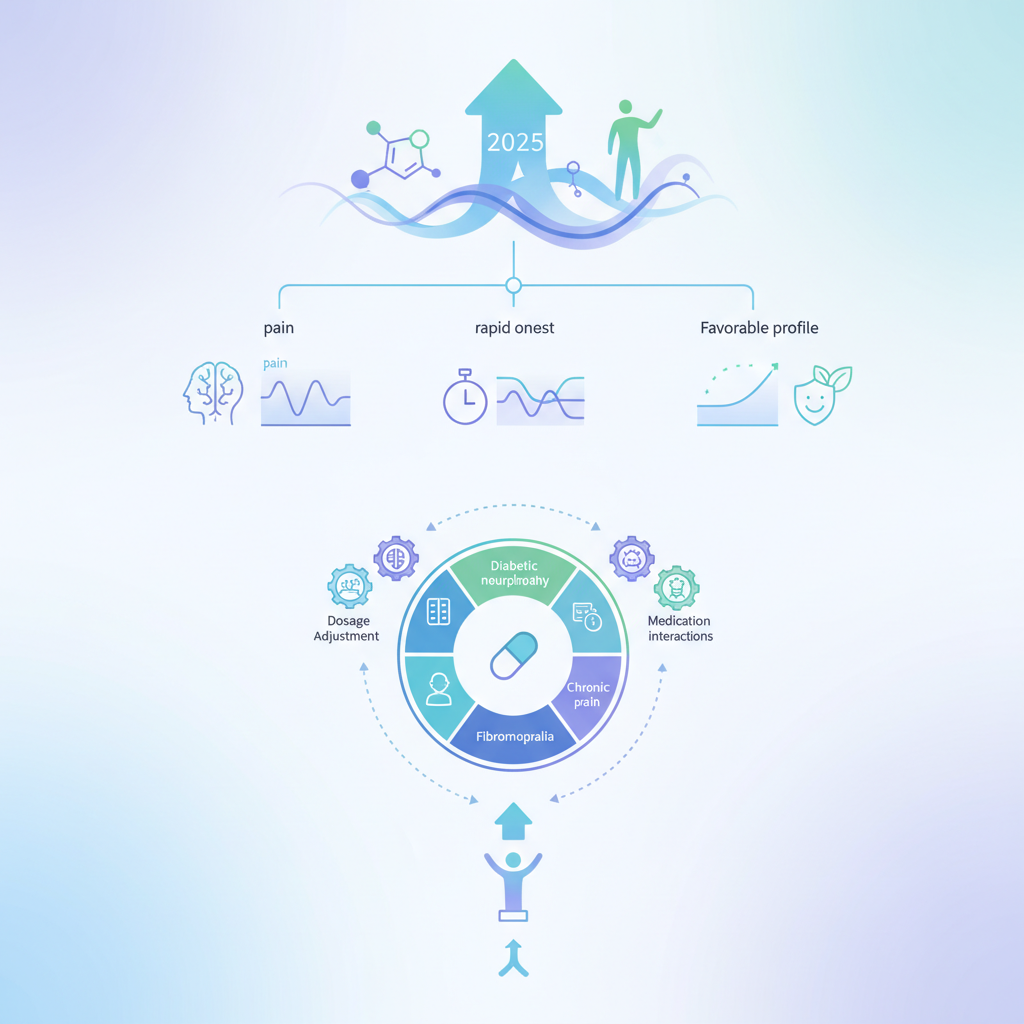
Recent data highlight that Pregabalin offers significant advantages over traditional analgesics, including a rapid onset of action and a favorable side-effect profile. A meta-analysis published in the Journal of Pain Research found that Pregabalin provided superior pain relief compared to placebo, with an effect size of 0.72 for neuropathic pain management. Given these compelling findings, it is essential for healthcare providers to understand how to use Pregabalin Medicine effectively, tailoring treatment protocols to meet individual patient needs, while also considering dosage adjustments and potential interactions with other medications. The following guidelines aim to enhance the effectiveness of Pregabalin in pain management, ensuring better outcomes for patients grappling with persistent pain.
Understanding Pregabalin: Mechanism of Action in Pain Management
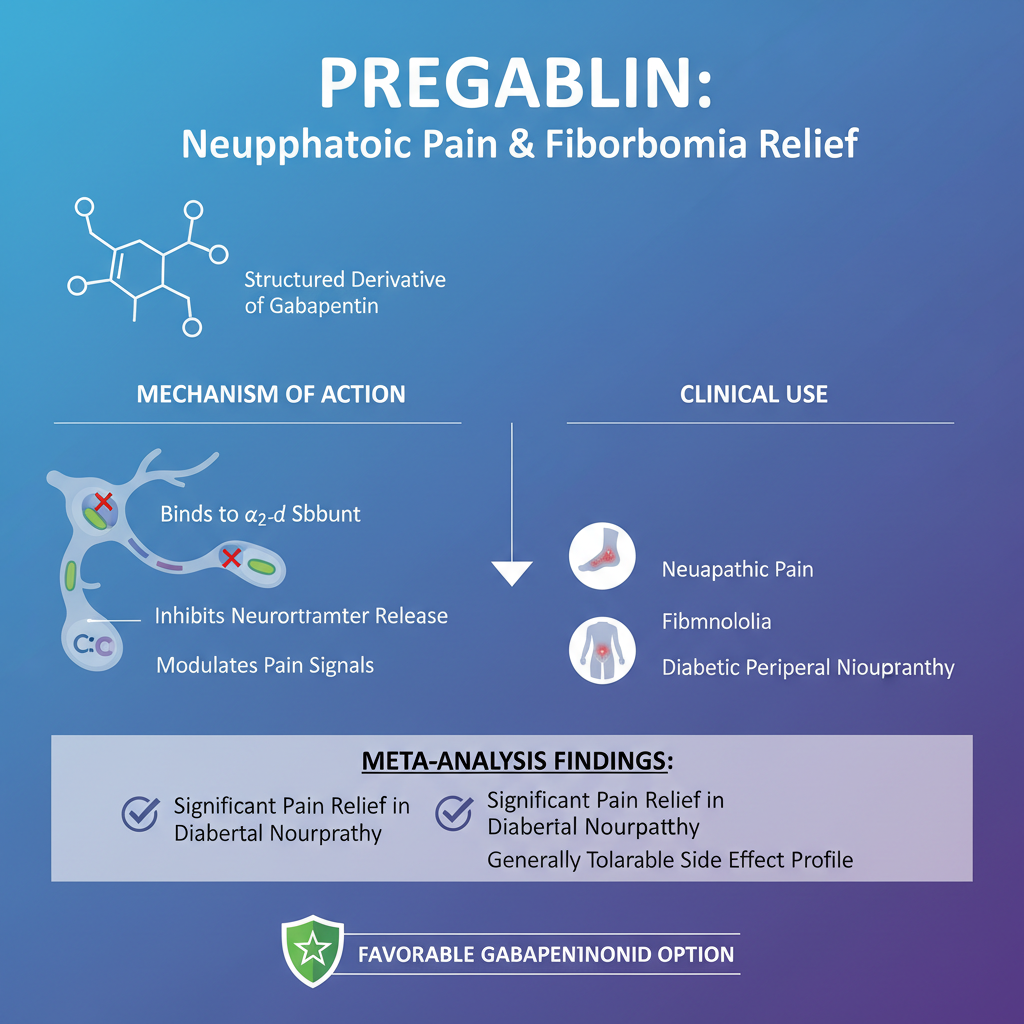
Pregabalin, a structured derivative of gabapentin, has emerged as a therapeutic agent predominantly used in managing neuropathic pain and fibromyalgia. Its mechanism of action involves binding to the α2-δ subunit of voltage-gated calcium channels, effectively inhibiting excessive neurotransmitter release and modulating pain signals. A meta-analysis highlighted the considerable efficacy of pregabalin, particularly in treating diabetic peripheral neuropathy, suggesting it provides significant pain relief in these patients, with a generally tolerable side effect profile. This clinical utility has previously positioned pregabalin as a favorable option among gabapentinoids for various neuropathic pain conditions.
Despite its benefits, recent discussions surrounding the use of gabapentinoids for chronic pain management, specifically low back pain, have raised concerns. A comprehensive review indicates no proven benefits in pain relief for chronic low back pain patients, alongside a significant risk of adverse effects, underscoring the need for cautious prescribing. Therefore, while pregabalin remains a valuable tool in pain management, its use must be carefully evaluated against potential risks and evolving evidence, reinforcing the importance of personalized treatment approaches for chronic pain.
Indications for Pregabalin: Types of Pain Treatable with the Medication
Pregabalin is an effective medication used for managing various types of pain, particularly in conditions like fibromyalgia. Recent studies have highlighted its role alongside other medications in providing significant relief for about 10% of patients with moderate to severe fibromyalgia syndrome over a period of 4 to 12 weeks. This pain management option is especially beneficial for individuals who have not found relief through traditional analgesics or other treatments.
The indications for pregabalin extend beyond fibromyalgia, as it is also utilized for neuropathic pain and certain anxiety disorders. Its mechanism of action involves modulating calcium channels, which helps in reducing the release of neurotransmitters that propagate pain signals. However, it’s essential to note that while pregabalin can be effective, the pain relief may not be sustained beyond six months in some patients. As such, health providers may need to evaluate ongoing treatment plans to ensure optimal pain management.
2025 How to Use Pregabalin Medicine Effectively for Pain Management
| Type of Pain |
Indication |
Dosage Range (mg/day) |
Common Side Effects |
| Neuropathic Pain |
Diabetic neuropathy, postherpetic neuralgia |
150 - 600 |
Dizziness, drowsiness, dry mouth |
| Fibromyalgia |
Management of fibromyalgia symptoms |
300 - 450 |
Weight gain, fatigue, swelling |
| Chronic Pain |
Chronic pain syndromes, including arthritis |
150 - 600 |
Nausea, blurred vision, sleepiness |
| Anxiety Disorders |
Generalized anxiety disorder management |
150 - 600 |
Confusion, mood changes, headache |
Dosage Guidelines: How to Use Pregabalin Safely and Effectively
Pregabalin, a medication commonly used for neuropathic pain and general anxiety disorder, has gained recognition for its efficacy in pain management. According to a report from the American Academy of Neurology, pregabalin has shown a significant reduction in pain scores among patients with diabetic neuropathy and fibromyalgia, demonstrating its effectiveness across various pain conditions. The standard dosage for initiating treatment is typically 75 mg per day, which can be increased to a maximum of 600 mg per day depending on response and tolerability.
When using pregabalin, it's crucial to adhere to established dosage guidelines to ensure safety and effectiveness. The National Institutes of Health recommends incremental increases every week, with most patients achieving optimal pain relief at doses ranging from 150 mg to 300 mg per day. Clinicians should closely monitor for any side effects, as studies indicate that approximately 26% of patients may experience dizziness or somnolence. By following thorough dosage protocols, healthcare providers can maximize the benefits of pregabalin while minimizing potential adverse effects, ultimately enhancing the quality of life for individuals coping with chronic pain.
Potential Side Effects: What to Expect When Taking Pregabalin
When taking pregabalin for pain management, it is crucial to understand the potential side effects that may arise. Commonly reported effects include dizziness, sleepiness, and dry mouth. These symptoms can vary in intensity; some individuals might experience mild discomfort, while others may find them more disruptive. It is important to monitor how your body reacts to the medication, especially when starting treatment or adjusting the dosage.
In addition to these common side effects, pregabalin may also cause mood changes or cognitive issues in some patients. This includes feelings of anxiety, depression, or confusion, which can impact daily functioning. If you notice significant shifts in mood or mental clarity, it is essential to discuss these with your healthcare provider. Regular check-ins can help ensure that the benefits of pregabalin for pain management outweigh any adverse effects experienced during treatment.
Combining Pregabalin with Other Pain Management Strategies
When considering effective pain management strategies, combining Pregabalin with other modalities can enhance its efficacy and improve patient outcomes. Pregabalin, primarily used for neuropathic pain, can be complemented by various approaches such as physical therapy, cognitive-behavioral therapy, and lifestyle modifications to address pain more holistically.
**Tips:** Incorporating physical therapy can help strengthen the muscles surrounding painful areas, providing support and reducing discomfort. Cognitive-behavioral therapy may assist patients in developing coping strategies to manage their pain perception, fostering a more positive outlook and reducing the emotional burden of chronic pain. Additionally, adopting a healthy lifestyle that includes regular exercise, balanced nutrition, and adequate sleep is crucial in maximizing the benefits of Pregabalin and minimizing pain.
Combining Pregabalin with non-pharmacological interventions not only enhances pain relief but also encourages a more comprehensive approach to managing chronic conditions. Patients should work closely with healthcare professionals to develop a personalized pain management plan that incorporates their unique needs and preferences, ensuring a more effective and sustainable approach to living with pain.
2025: How to Use Pregabalin Medicine Effectively for Pain Management
This chart demonstrates the effectiveness of Pregabalin in combination with various pain management strategies based on patient satisfaction scores over a six-month period.