Top 10 Pharmaceutical Intermediates for Global Procurement Needs?
In the rapidly evolving pharmaceutical industry, the demand for high-quality pharmaceutical intermediates is critical. These compounds serve as the building blocks for various drug formulations. As global procurement needs expand, understanding key intermediates becomes essential for manufacturers. The selection of the right pharmaceutical intermediate can significantly impact the efficiency and cost-effectiveness of drug production.
Several factors influence the choice of intermediates throughout the supply chain. While cost plays a crucial role, quality and reliability are equally important. Suppliers must meet strict regulatory standards. This demand has led to increased competition among providers. Some regions excel in certain intermediates, but others may lack quality assurance measures.
The landscape is not without challenges. Manufacturers must navigate fluctuating prices and varying availability. Finding the right balance between cost and quality remains a persistent issue. Awareness of these nuances is vital for procurement decisions. As we explore the top pharmaceutical intermediates, a nuanced understanding of these factors will prove invaluable.
Global Pharmaceutical Intermediates Market Overview and Trends
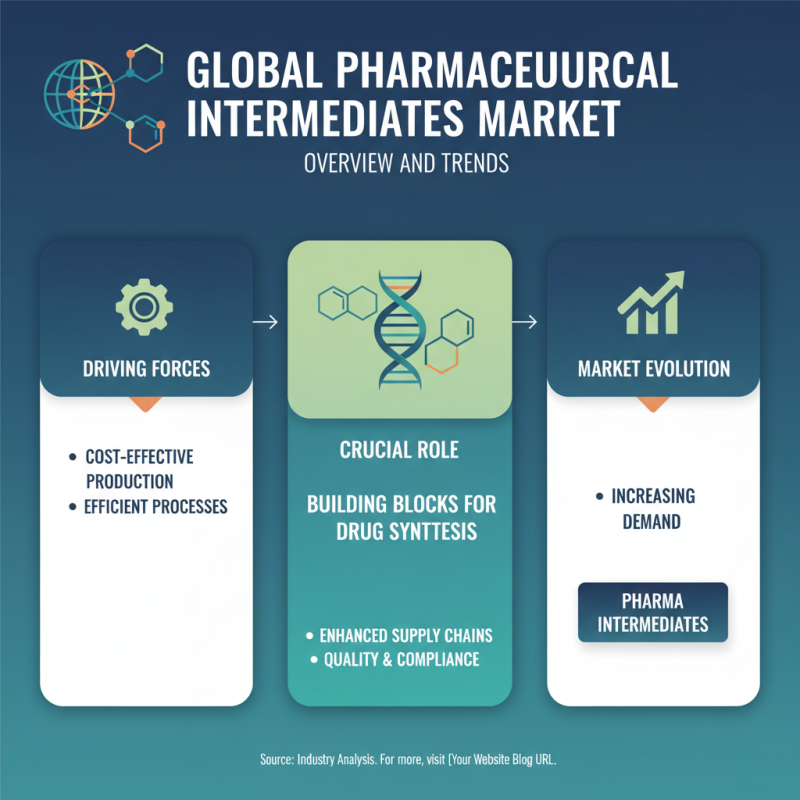
The global pharmaceutical intermediates market continues to evolve, driven by increasing demand for cost-effective and efficient production processes. As pharmaceutical companies strive to enhance their supply chains, intermediates play a crucial role. These substances serve as building blocks in drug synthesis, influencing both quality and compliance in production.
Trends indicate a rise in the focus on sustainability and efficiency in sourcing intermediates. Many companies are exploring green chemistry options to minimize environmental impact. Innovations in synthesis methods are shaping the market landscape. However, the challenge lies in balancing innovation with safety regulations. Ensuring compliance while adopting new technologies can be a daunting task.
Additionally, the ongoing disruptions in global supply chains highlight vulnerabilities. Companies must rethink their procurement strategies. A diverse supplier network may mitigate risks. Yet, sourcing from multiple regions can complicate logistics and quality control. The need for reliable partners is evident. A proactive approach in market assessment and supplier audits can enhance resilience in the face of uncertainties.
Key Factors Driving Demand for Pharmaceutical Intermediates in 2023
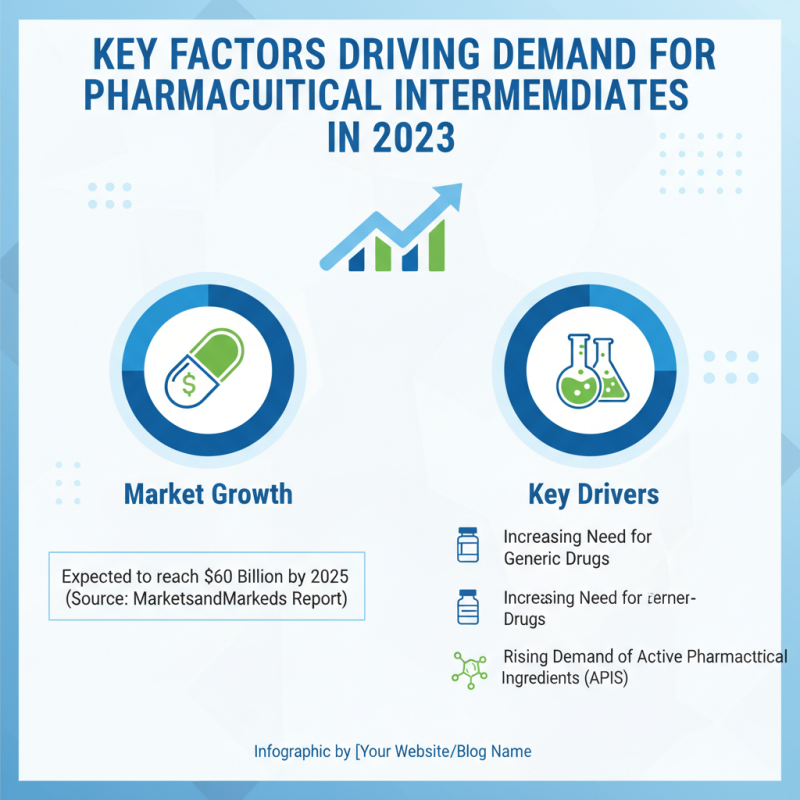
The demand for pharmaceutical intermediates is on the rise in 2023. Various factors are driving this growth. According to a recent report by MarketsandMarkets, the global pharmaceutical intermediates market is expected to reach approximately $60 billion by 2025. This surge is linked to the increasing need for generic drugs and active pharmaceutical ingredients (APIs).
One significant factor is the aging population worldwide. Older adults often require multiple medications. This trend increases the demand for efficient intermediates that ensure production scalability. Additionally, the rise of chronic diseases, such as diabetes and cardiovascular issues, adds to the procurement needs. The World Health Organization acknowledges a 22% increase in chronic diseases over the past decade, intensifying the pressure on pharmaceutical manufacturers.
Technological advancements also play a crucial role. Continuous manufacturing processes enhance the efficiency of producing intermediates. However, these advancements come with their own set of challenges. Companies face issues related to regulatory compliance and quality assurance. High-quality intermediates are essential for maintaining the safety and efficacy of the final products. The balancing act between cost and quality remains a critical consideration for procurement strategies today.
Top 10 Pharmaceutical Intermediates: Usage Statistics and Applications
The pharmaceutical industry heavily relies on intermediates, which serve as critical components in drug production. According to recent market reports, the global pharmaceutical intermediates market was valued at over $25 billion in 2022, with expectations to grow at a CAGR of approximately 5% through 2028. This indicates a rising demand for intermediates across various therapeutic areas, including oncology and infectious diseases.
Intermediates find extensive applications in synthesizing active pharmaceutical ingredients (APIs). For instance, amino acids and peptides play significant roles in producing biologics and vaccines. A report from the International Journal of Pharmaceutical Sciences highlights that nearly 40% of new drugs in development are biologics, underscoring the importance of intermediates in this field. Additionally, the need for customized intermediates to cater to specific research and development needs presents both opportunities and challenges for suppliers.
Despite technological advancements, sourcing intermediates can be inconsistent. Delays in availability often occur, affecting timely drug production. Furthermore, maintaining quality standards remains a perennial concern. Industry players must ensure strict compliance with regulatory requirements, which can be demanding. The complexity of supply chains can also lead to unforeseen costs, necessitating better strategies for procurement and inventory management.
Top 10 Pharmaceutical Intermediates for Global Procurement Needs
| Rank |
Pharmaceutical Intermediate |
Usage Statistics (%) |
Applications |
Market Demand (Metric Tons) |
| 1 |
Acetic Acid |
30% |
Antibiotics Production |
50,000 |
| 2 |
Phenol |
25% |
Hormonal Drugs |
40,000 |
| 3 |
Sodium Bicarbonate |
15% |
Pharmaceutical Buffer Systems |
30,000 |
| 4 |
Benzene |
20% |
Synthetic Drug Precursors |
45,000 |
| 5 |
Ethylene Glycol |
35% |
Antifreeze and Solvents |
55,000 |
| 6 |
Butyric Acid |
10% |
Pharmaceutical Excipients |
20,000 |
| 7 |
Chloroform |
18% |
Solvent for Drug Extraction |
25,000 |
| 8 |
Isopropyl Alcohol |
28% |
Antiseptic Solutions |
60,000 |
| 9 |
Toluene |
22% |
Organic Synthesis |
35,000 |
| 10 |
Aniline |
12% |
Dyes and Pharmaceuticals |
10,000 |
Regional Analysis of Pharmaceutical Intermediates Procurement Practices
The procurement of pharmaceutical intermediates varies significantly across regions. In
North America, a strong supply chain supports the demand, contributing
to its leading market position. According to a recent report, North America accounted for approximately 40% of the global
market share in 2022. This dominance stems from robust research and development activities, particularly in biologics and specialty pharmaceuticals.
In Europe, however, procurement practices differ. The region emphasizes
sustainability and sourcing from local suppliers to reduce carbon footprints. Nearly
70% of pharmaceutical companies in Europe are integrating green chemistry principles into
their sourcing strategies. This approach not only meets regulatory demands but also addresses consumer preferences for
environmentally friendly products.
Asia-Pacific is witnessing rapid growth in this sector. Manufacturers are leveraging
cost efficiencies and advancing technologies. China and India
are emerging as global hubs for pharmaceutical intermediates, with projections indicating an annual growth rate of over
8% in the next five years. However, quality control and
regulatory compliance remain challenges that require ongoing attention. The contrast in procurement practices is a reflection of
diverse regulatory environments and market dynamics worldwide.
Future Outlook: Innovations in Pharmaceutical Intermediates Production
Innovation in pharmaceutical intermediates production is crucial for meeting global procurement needs. As the industry evolves, there are exciting developments that can reshape the landscape. New production methods leverage technology, increasing efficiency and reducing costs. Advanced chemical synthesis and biocatalysis are two techniques making waves in this sector.
Tips: Staying informed about these trends is vital. Follow industry reports and join relevant seminars to keep up with changes.
Regulatory frameworks are also evolving. Companies must adapt to compliance requirements while innovating. This presents challenges but opens up opportunities for sustainable practices. Firms are exploring greener alternatives for production processes, which reduces their environmental footprint.
Tips: Consider networking with experts to gain insights into regulatory shifts. Collaborating with others can enhance your knowledge.
These innovations hold the potential to redefine how intermediates are sourced and produced. However, the journey is not without obstacles. Balancing innovation with compliance and sustainability demands careful consideration. The future of pharmaceutical intermediates promises growth, yet it requires companies to be agile and responsive.