How to Source Propanoyl Chloride Effectively for Your Business?
Propanoyl Chloride is a vital chemical intermediate widely used in various industries. Its versatility ranges from pharmaceuticals to agrochemicals. Reports indicate that the global market for propanoyl chloride is experiencing steady growth. Industry analysis suggests an increase in demand, particularly in developing regions, where chemical manufacturing is expanding.
Sourcing propanoyl chloride effectively is crucial for maintaining competitive advantage. Most suppliers offer a range of purity levels, impacting the chemical's performance in applications. Potential buyers must assess supplier reliability and product consistency. Research shows that quality control measures can significantly influence production outcomes, emphasizing the need for careful evaluation.
However, sourcing this chemical isn't without challenges. Market volatility and fluctuating prices can hinder procurement strategies. Companies must remain agile, adapting to changes in the supply chain. Understanding market trends and supplier capabilities is essential. A proactive approach to sourcing propanoyl chloride will ensure business continuity and growth.

Understanding Propanoyl Chloride and Its Applications
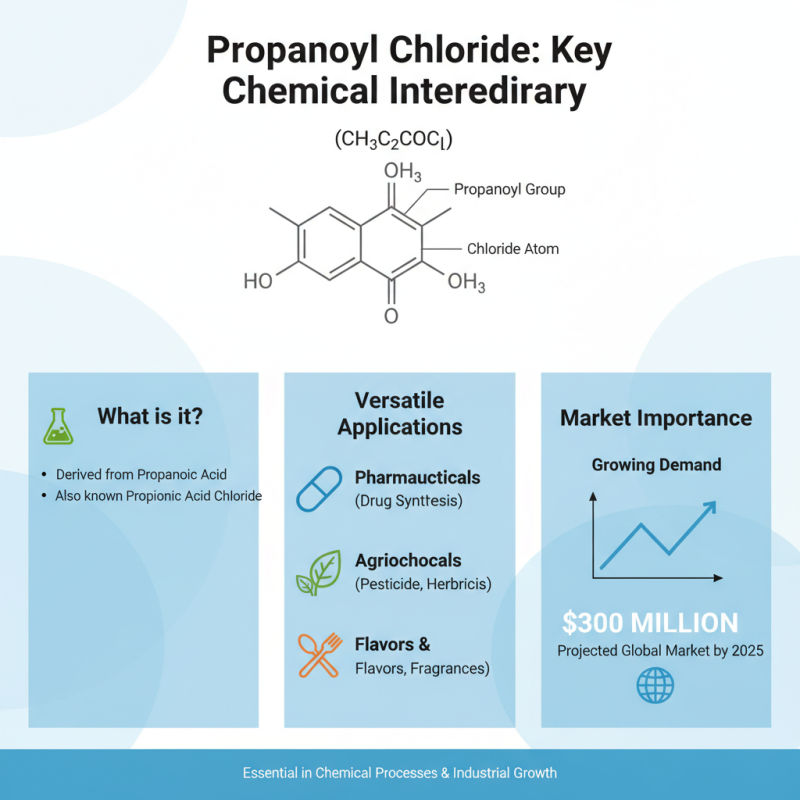
Propanoyl chloride, also known as propionic acid chloride, is a key chemical intermediary. Its structure is derived from propanoic acid and plays a vital role in various industrial applications. It is extensively used in the synthesis of pharmaceuticals, agrochemicals, and flavors. Industry reports suggest a growing demand for propanoyl chloride due to its versatility and effectiveness in chemical processes. In fact, the global market for propanoyl chloride is projected to reach $300 million by 2025, reflecting its importance in various sectors.
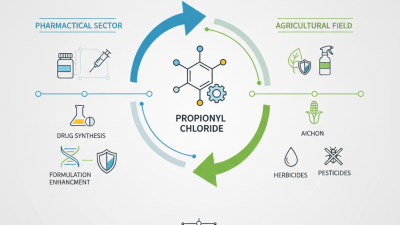
Understanding the applications of propanoyl chloride is crucial. In pharmaceuticals, it acts as a building block for drugs, enhancing bioavailability. Agriculture benefits from its use in pesticide formulations, helping farmers manage crops better. According to a study by the Chemical Market Analysis Group, around 25% of propanoyl chloride is used in agricultural applications.
However, sourcing this chemical effectively can pose challenges. Quality control remains an ongoing concern. Not all suppliers adhere to strict manufacturing standards. This inconsistency can affect end products. It's essential for businesses to conduct rigorous supplier evaluations, focusing on certifications and past performance. Engaging with multiple suppliers can mitigate risks and ensure a stable supply chain.
Evaluating Supplier Credentials and Certifications
When sourcing propanoyl chloride, evaluating supplier credentials is essential. Start by examining certifications. Look for suppliers with ISO certifications, as they indicate adherence to quality management standards. A reliable supplier typically undergoes regular audits. These audits assess their processes and product quality.
Researching a supplier's experience in the industry is equally important. A supplier with years of expertise likely has a deeper understanding of sourcing issues. They may have established relationships with reliable raw material providers. Customer reviews can provide additional insights into their credibility. However, not all feedback is honest. Scrutinizing reviews for authenticity is crucial.
Consider safety standards as well. Suppliers should comply with local and international regulations. Ask for Material Safety Data Sheets (MSDS) for propanoyl chloride. These documents help ensure that all safety protocols are met. Sometimes, suppliers may overlook certain details, so it’s wise to double-check. Building a relationship with suppliers can take time, and not every interaction will be perfect. However, careful evaluation can lead to better sourcing outcomes in the long run.
How to Source Propanoyl Chloride Effectively for Your Business?
| Supplier Name |
Location |
Certifications |
Minimum Order Quantity (MOQ) |
Lead Time |
Price per Unit |
| Supplier A |
USA |
ISO 9001 |
100 kg |
2 weeks |
$50 |
| Supplier B |
Germany |
REACH |
200 kg |
3 weeks |
$45 |
| Supplier C |
China |
ISO 14001 |
500 kg |
4 weeks |
$40 |
| Supplier D |
India |
FDA Approved |
300 kg |
5 weeks |
$48 |
Negotiating Prices and Terms for Propanoyl Chloride
Negotiating prices and terms for propanoyl chloride requires a strategic approach. Start by researching the market. Understand the price trends and the quality standards that suppliers typically offer. Reliable suppliers often provide detailed information about their products. This transparency is a good sign. Use online platforms and industry reports to gather relevant data.
When engaging with suppliers, be clear about your requirements. Discuss specifications like purity levels and packaging options. Ask about minimum order quantities. These factors can significantly affect pricing. Be prepared for negotiations. Some suppliers may start with high quotes. Present your research to justify your desired price. This not only shows professionalism but also strengthens your position.
Consider the long-term partnership potential. Building a trusted relationship can lead to better terms over time. Suppliers may be more willing to negotiate in future dealings. Reflect on previous negotiations, too. Analyze what worked well and what didn't. Each interaction offers valuable lessons that can refine your approach. This experience will enhance your skills in future negotiations.
Establishing Long-Term Relationships with Suppliers
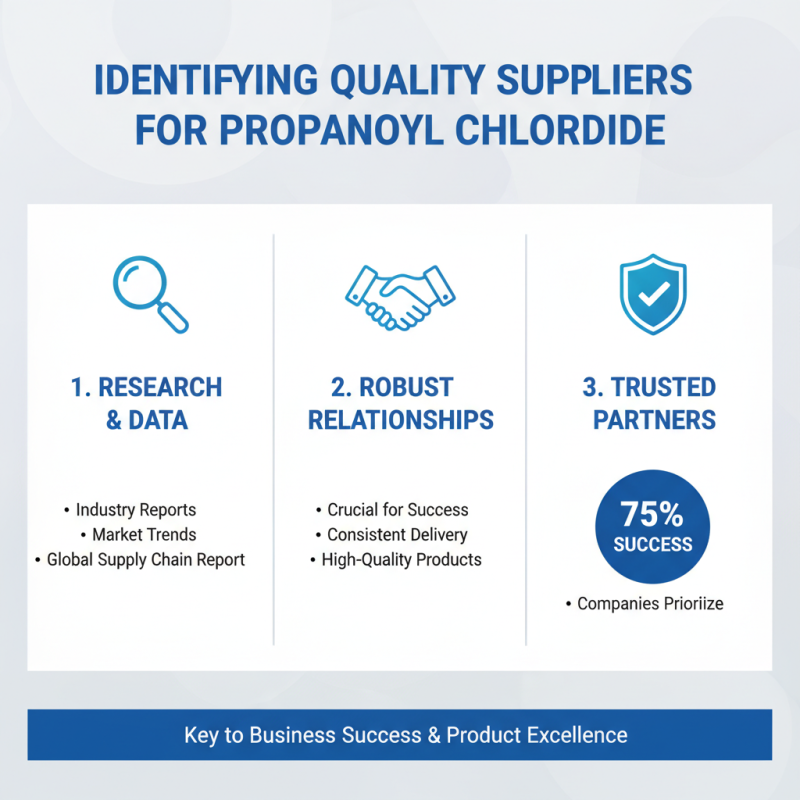
Building strong relationships with suppliers is vital for sourcing propanoyl chloride effectively. Establishing trust can ensure consistent quality and delivery. Communication is key; regularly check in with suppliers to discuss needs and expectations. Frequent dialogues can clarify any misunderstandings before they escalate.
Additionally, consider visiting suppliers. A face-to-face meeting can foster a deeper understanding and connection. It demonstrates your commitment to the partnership. A personal touch can often lead to better terms and a more reliable supply chain. Cultivating loyalty with suppliers may also bring about flexibility in negotiations.
Reflecting on the challenges of maintaining these relationships is essential. Changes in market dynamics can strain partnerships. Keep an open line for feedback, both ways. This can lead to improvements and innovations. Trust and reliability take time to build. Regular assessments ensure that the relationship remains beneficial for both sides.
Propanoyl Chloride Sourcing Trends
This bar chart illustrates the monthly supply in liters from various suppliers of propanoyl chloride. Establishing long-term relationships with these suppliers can help stabilize your sourcing efforts and ensure consistent availability of this chemical.