Top 10 Types of Steroidal Hormones Explained
Steroidal Hormones are often discussed as one subject, yet their effects vary with structure, receptor, and target tissue. This guide introduces ten familiar examples: cortisol, corticosterone, aldosterone, testosterone, dihydrotestosterone, DHEA, estradiol, estrone, estriol, and progesterone. They arise from cholesterol and help regulate processes such as stress responses, salt balance, sexual development, and reproduction. The details matter. Cortisol and aldosterone, for instance, are both adrenal steroids, but they serve different roles.
Endocrinologist Andrea Gore, a professor at the University of Texas at Austin, studies hormone action and endocrine disruption. A useful summary of her field’s perspective, stated here as a paraphrase rather than a direct quotation, is that hormone effects depend on where signals travel and which cells can respond. That distinction keeps this topic grounded in biology, not hype. A receptor is not a guarantee of one simple outcome; timing, dose, and tissue context also matter.
Some names sound alike. Their functions do not. This overview will compare the ten hormones by family, source, and primary role, while noting where scientific explanations need nuance. It is an introduction, not a diagnosis. Biology can be messier than a tidy list suggests.
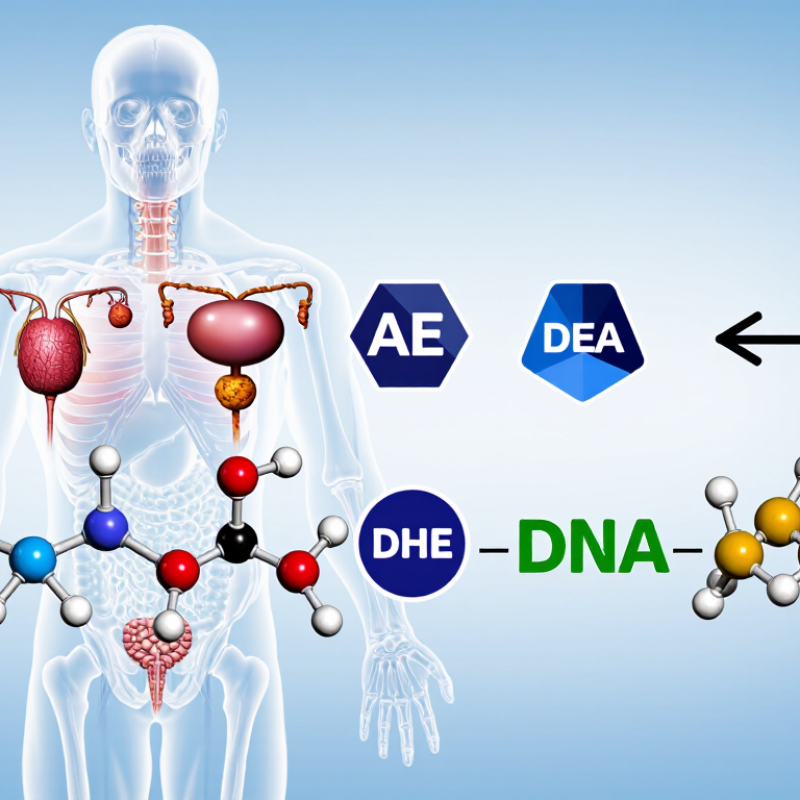
Steroid Hormone Foundations: All 10 Types Are Synthesized from C27 Cholesterol
Top 10 Types of Steroidal Hormones Explained
Steroid Hormone Foundations: All 10 Types Are Synthesized from C27 Cholesterol
Steroid hormones share a common starting material: cholesterol, a molecule with 27 carbon atoms. Enzymes in mitochondria and other cell compartments reshape it through several steps. One early product is pregnenolone, which has 21 carbon atoms. It is a pathway junction, not the finished story.
From there, different enzymes help produce hormones such as cortisol, aldosterone, progesterone, testosterone, and estradiol. These molecules belong to broader glucocorticoid, mineralocorticoid, progestogen, androgen, and estrogen groups. A list of “10 types” may divide these groups differently; the count is not universal. The pathway also varies by tissue. Adrenal glands, ovaries, testes, and the placenta have different enzyme sets, so they make different products. The chemistry is elegant, but real biology is a little less tidy.
Tips: Trace carbon numbers from C27 cholesterol to smaller intermediates. A pathway diagram can help; mark where each enzyme acts, and note that tissues differ. Don’t treat one simplified chart as the whole picture.
C21 Progestogens and Corticosteroids: Progesterone, Cortisol, Cortisone, Aldosterone
C21 steroids share a 21-carbon backbone, but small chemical changes give them distinct jobs. Progesterone rises after ovulation and helps prepare the uterine lining for possible implantation. It also supports pregnancy. Its levels vary across the menstrual cycle, so a single result needs careful timing and context. Small detail, big difference.
Cortisol helps coordinate the body’s response to daily demands and follows a strong morning-to-night rhythm. Endotext estimates adult cortisol production at about 10–20 milligrams daily. Cortisone is a closely related, less active form; enzymes in different tissues can convert it to cortisol, or convert cortisol back. The boundary is not as tidy as a diagram suggests. Aldosterone, meanwhile, helps the kidneys retain sodium and regulate potassium and fluid balance. An Endocrine Society guideline reports primary aldosteronism in roughly 5–10% of people with hypertension (Funder et al., Journal of Clinical Endocrinology & Metabolism, 2016). These hormones are related, not interchangeable: their effects depend on tissue, timing, and the body’s feedback signals.
C18 Estrogens: Estradiol, Estrone, and Estriol
Estradiol, estrone, and estriol are called C18 estrogens because each molecule contains 18 carbon atoms. They form when aromatase converts certain androgens into estrogens. Estradiol, or E2, is generally the most potent. The ovaries produce much of it during the reproductive years, while other tissues can make smaller amounts. Estrone, or E1, is less potent and comes from the ovaries and from conversion in tissues such as body fat. After menopause, estrone often becomes the more abundant circulating estrogen. The two can interconvert. Biology is not quite so tidy.
Estriol, or E3, is usually present at low levels outside pregnancy. During pregnancy, the placenta produces much more, using precursors that come largely from the fetus. Its effects are generally weaker than estradiol’s, but “weaker” does not mean irrelevant.
Estrogens influence tissues including the uterus, breasts, bones, and brain. Their levels shift with age, menstrual-cycle timing, pregnancy, and health conditions. A blood result is a snapshot. It needs context, and sometimes the context remains uncertain.
One detail worth remembering: these three hormones share a family name, yet their sources and patterns differ.
How C21, C19, and C18 Structures Relate to Hormone Function
Top 10 Types of Steroidal Hormones Explained
How C21, C19, and C18 Structures Relate to Hormone Function
Steroid hormones share a four-ring core, but their side chains and carbon counts differ. C21 hormones include progesterone and corticosteroids, such as cortisol and aldosterone. C19 hormones include testosterone and other androgens. C18 hormones include estrogens, such as estradiol. These groups develop from cholesterol through enzyme-driven steps in tissues including the adrenal glands, ovaries, and testes. Small structural changes matter.
Carbon count offers a useful map, not a complete prediction. C21 hormones can influence pregnancy, stress responses, or salt balance, depending on their structure and receptor. C19 androgens help regulate sexual development and other body functions. C18 estrogens affect reproductive tissues, bones, and more. Enzymes can also convert one hormone into another; aromatase, for example, helps produce estrogens from androgens. Biology is less tidy than a chart suggests.
Tips: When reading a hormone report, note the specific hormone, units, and reference range. A carbon class alone cannot explain symptoms or diagnose a condition. Discuss results with a qualified clinician. The categories help—but they leave out plenty.