How to Use Pregabalin Tablets Safely and Effectively?
Using Pregabalin Tablets can offer relief for various conditions, including chronic pain and anxiety disorders. However, safety and effectiveness hinge on proper usage. Misunderstandings surrounding these tablets can lead to misuse or ineffective treatment.
When taking Pregabalin Tablets, it's essential to follow your healthcare provider's instructions. Dosage can vary based on individual needs. Skipping doses or changing the regimen without consultation may result in suboptimal outcomes. Side effects, like dizziness or fatigue, should not be overlooked.
Understanding when and how to use Pregabalin Tablets can empower patients. Real-life experiences may vary, and some individuals may struggle with the medication. It is crucial to communicate any concerns with a doctor. Achieving the best results requires diligence and ongoing dialogue with medical professionals.
Understanding Pregabalin: Uses and Benefits
Pregabalin is often prescribed for conditions like neuropathic pain and epilepsy. Studies show that it can reduce pain by modulating neurotransmitter release. In one clinical trial, about 60% of patients experienced significant pain relief within a few weeks. This highlights its effectiveness, but not everyone responds the same way.
Another benefit of pregabalin is its potential to improve the quality of life in patients with anxiety disorders. Research indicates that after 8 weeks of treatment, over 50% of users reported reduced anxiety levels. However, individuals should be mindful of dosage. Taking higher doses does not always lead to better results and can increase the risk of side effects. Common issues include dizziness and fatigue.
It's important to approach pregabalin use with caution. Regular follow-ups with a healthcare professional can help monitor progress. Some users might find it challenging to adjust to the medication. They should keep an open line of communication about their experiences. This can lead to better treatment outcomes and adjusted regimens that work best for their needs.
How to Use Pregabalin Tablets Safely and Effectively? - Understanding Pregabalin: Uses and Benefits
| Aspect |
Details |
| Indications |
Neuropathic pain, Fibromyalgia, Seizures, Generalized anxiety disorder |
| Dosage |
Typical initial dose: 150 mg/day, may increase as needed up to 600 mg/day |
| Administration |
Oral, with or without food; swallow whole with water |
| Side Effects |
Dizziness, Drowsiness, Dry mouth, Swelling, Blurred vision |
| Precautions |
Avoid alcohol, Monitor for mood changes, Not for use in patients with severe renal impairment |
| Storage |
Store at room temperature away from moisture and heat |
Recommended Dosage and Administration Guidelines
Pregabalin is widely used for treating various conditions, including neuropathic pain and anxiety disorders. The recommended dosage can vary based on the specific condition.
For neuropathic pain, studies suggest starting with 150 mg per day, divided into two or three doses. This can be increased to a maximum of 600 mg per day based on patient response and tolerability. It's crucial to not exceed this limit, as the risk of side effects significantly increases at higher doses.
For anxiety disorders, the initial dosage is often lower, around 75 mg per day. This may be adjusted to 600 mg per day if needed. Regular monitoring is necessary to ensure effectiveness and minimize adverse effects.
A study published in the Journal of Pain Research highlights that approximately 30% of patients stop treatment due to side effects. This is an important aspect to consider.
Patients should ideally follow administration guidelines provided by healthcare professionals. Taking pregabalin with or without food is acceptable, but consistency is key. It helps maintain stable levels in the bloodstream. Some might forget doses; skipping doses can lead to fluctuations in pain or anxiety levels. Always consult a doctor before making any changes to dosing.
Managing expectations is vital. Not every patient will respond the same way.
Potential Side Effects and How to Manage Them
When using pregabalin tablets, it’s essential to be aware of potential side effects. Dizziness and drowsiness are common reactions. These can affect daily activities. For instance, driving or operating machinery may become risky. Start with a low dose to see how your body reacts. Adjusting the dosage gradually can help manage these effects better.
Other side effects might include swollen limbs or unusual mood changes. Some users report increased appetite leading to weight gain. It’s important to monitor these changes closely. Keeping a journal can be useful. Track what you feel each day. If side effects become bothersome, report them to a healthcare provider. They may suggest alternatives or adjustments. It’s okay to feel uncertain; everyone’s experience is unique. Understanding your body’s response can lead to safer and more effective use.
Potential Side Effects of Pregabalin and Management Strategies
Precautions and Contraindications for Pregabalin Use
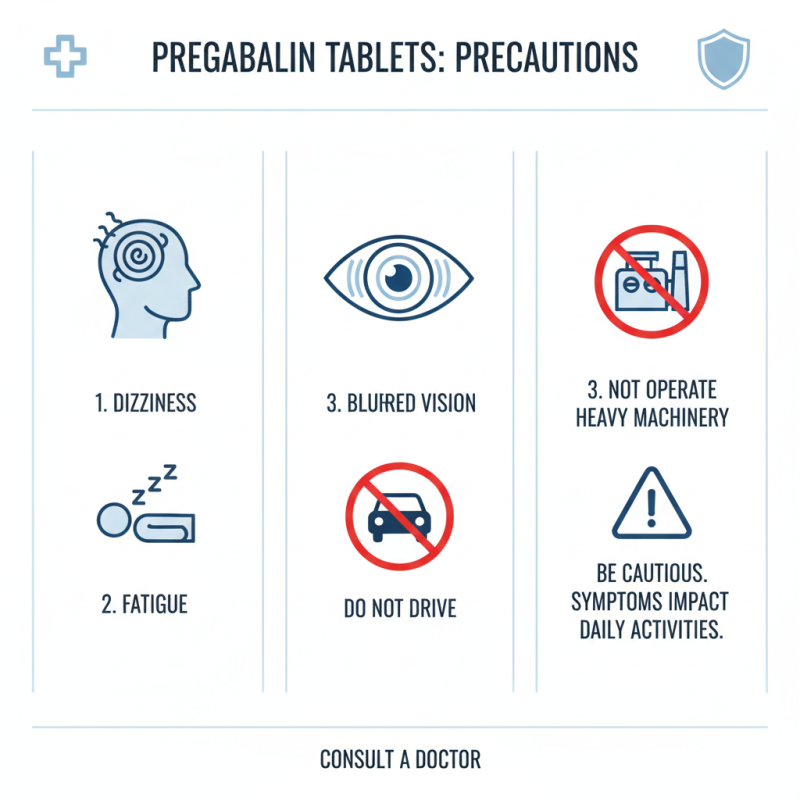
When considering pregabalin tablets, understanding precautions is crucial. Many people may overlook potential risks associated with this medication. Pregabalin can cause dizziness, fatigue, and blurred vision. If you notice these effects, do not drive or operate heavy machinery. It's essential to remain cautious, as these symptoms can significantly impact daily activities.
Certain health conditions may complicate pregabalin use. Individuals with a history of substance use disorders should be particularly careful. Pregabalin can lead to dependency in some cases. Additionally, those with kidney problems may require dosage adjustments. Always consult a healthcare professional when starting a new medication.
Pregabalin may interact with other drugs. Combining it with opioids can increase the risk of respiratory depression. This combination can be fatal in some situations. Inform your doctor about all medications you're taking, including over-the-counter options. Staying informed and vigilant about these interactions can help mitigate health risks. Remember, every person's reaction to medication can differ. Reflecting on personal health experiences can guide safer usage.
Tips for Monitoring Effectiveness and Safety During Treatment
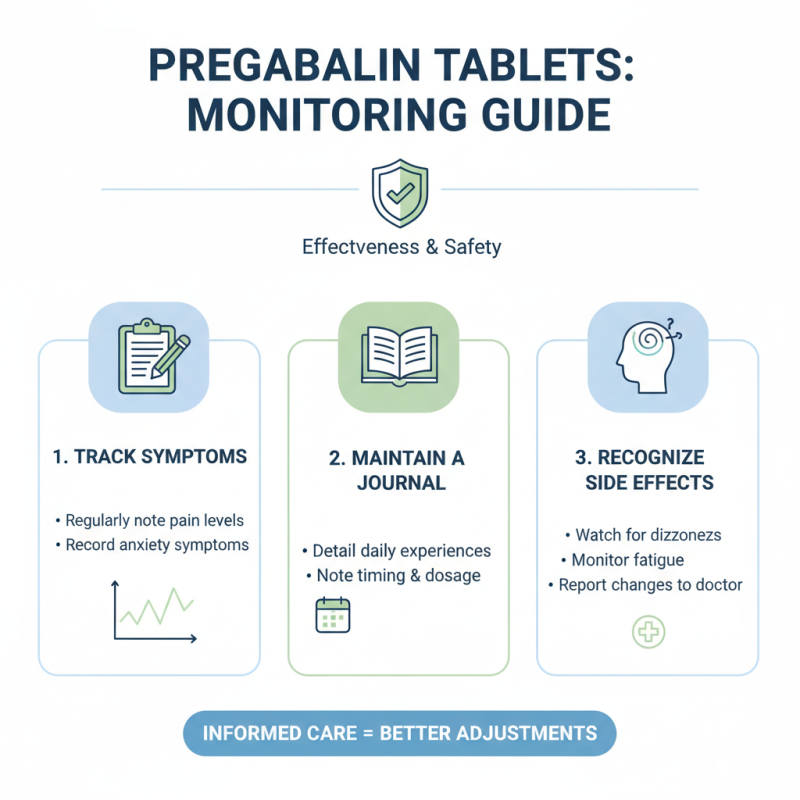
When using pregabalin tablets, monitoring effectiveness and safety is vital. Track your symptoms regularly. Maintain a journal detailing pain levels or anxiety symptoms. Note any side effects, such as dizziness or fatigue. This practice can reveal patterns in your response, helping you and your healthcare provider make the right adjustments.
Communicate openly with your healthcare provider. Share your observations and concerns. If you notice worsening symptoms or unexpected effects, reach out immediately. Adjustments to dosage may be necessary. Engage with support networks, whether friends or online communities, to share experiences. They may provide insights you haven’t considered.
Remember, treatment is personal. What works for one may not work for another. Be patient and give time for adjustments to take effect. Reflect on your progress weekly; it can be enlightening. Effective monitoring requires honesty and willingness to adapt. Don't hesitate to ask for help when needed.