2026 Top Rooting Hormone Powder Benefits for Global Buyers?
In the world of horticulture, the importance of Rooting Hormone Powder cannot be overstated. This substance accelerates plant root development. Many global buyers are increasingly recognizing its advantages. It enhances propagation success rates for various plants, including herbs and shrubs. However, not all rooting hormones are created equal. Understanding the nuances of these products is vital for optimal results.
Rooting Hormone Powder contains auxins, which stimulate root growth. These compounds guide plants in adapting to new environments. A reliable product can significantly impact your cultivation efforts. Buyers must carefully evaluate brands to ensure quality and effectiveness. Misleading claims can lead to disappointing results. It's essential to rely on reputable sources that offer detailed information on their ingredients.
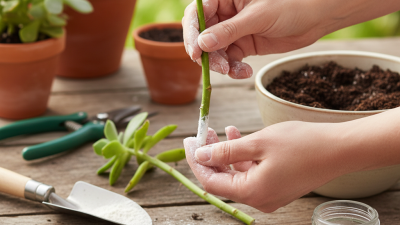
Furthermore, it is important to consider application methods. Overusing rooting hormones can harm young plants. Buyers should experiment to find the right balance. This trial-and-error process fosters a deeper understanding of plant needs. The journey to mastering the use of Rooting Hormone Powder is filled with learning opportunities. Each experience teaches valuable lessons about plant care and growth.
Benefits of Rooting Hormone Powder for Plant Propagation
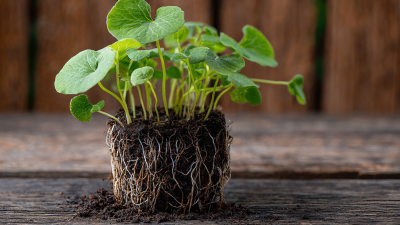
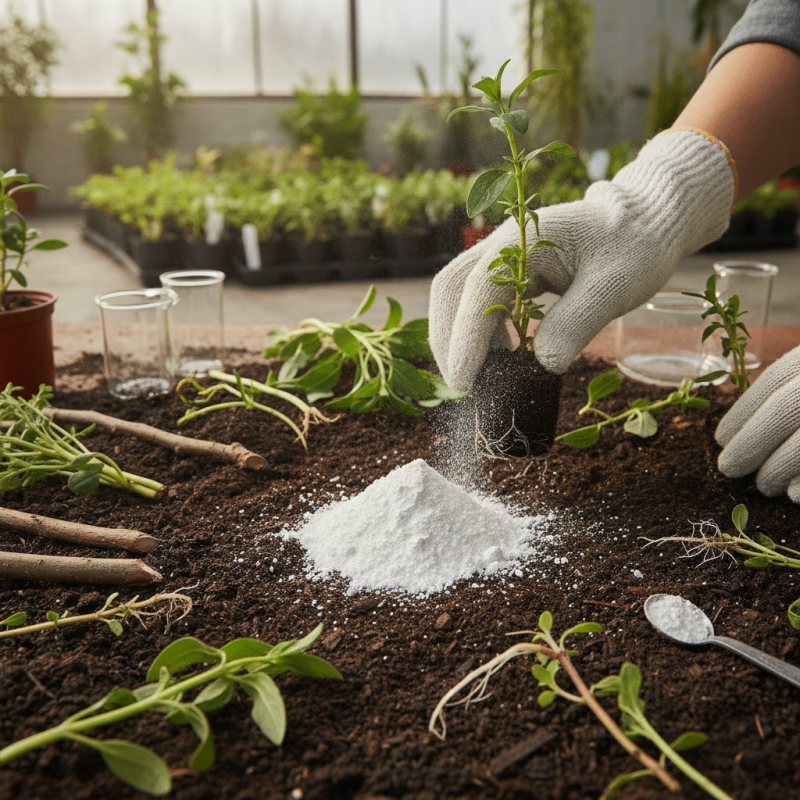
Rooting hormone powder plays a crucial role in plant propagation. It helps stimulate root growth, ensuring higher success rates for cuttings. According to various horticultural studies, using rooting hormone can increase root formation by up to 80%. This significant boost contributes to healthier plants and more robust growth.
Different formulations of rooting hormones exist, typically including auxins like indole-3-butyric acid (IBA). Auxins are naturally occurring plant hormones crucial for root cell development. The effective application of rooting hormones can reduce the time required for cuttings to establish roots. Reports indicate that some plants can root in half the time when treated with rooting hormones.
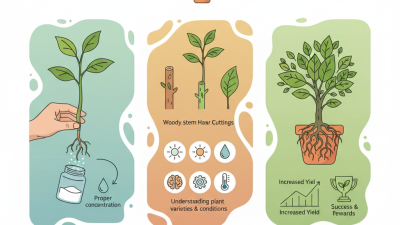
While the benefits are clear, challenges remain. Overuse of rooting hormones can inhibit the natural rooting process. Excessive application may lead to fewer roots or develop weak plants. Growers must meticulously follow usage guidelines for optimal results. Understanding the right dosage is key for every specific plant type.
Global Market Trends for Rooting Hormone Powder in 2026
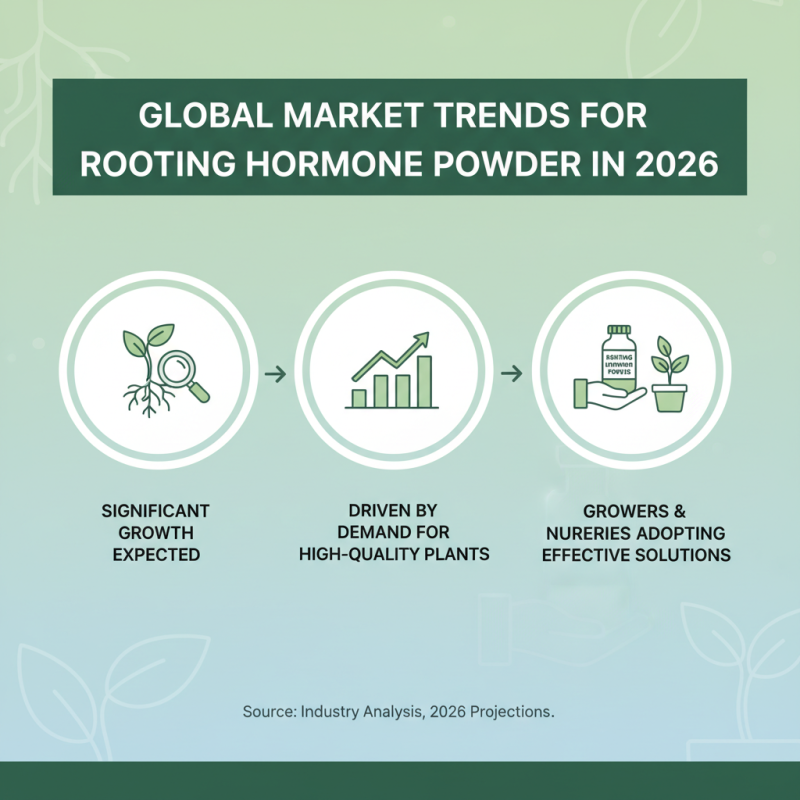
The global market for rooting hormone powder is evolving rapidly. By 2026, it is expected to see significant growth. Many growers and nurseries are looking for effective solutions to enhance root development. This trend stems from the increasing demand for high-quality plants.
Innovations in rooting hormone formulations are shaping market dynamics. New, natural ingredients are becoming popular. They promise better efficiency and safety. These advancements appeal to eco-conscious buyers. Traditional synthetic options are facing scrutiny and pushback.
Consumer education plays a crucial role in this market. Buyers are more informed about the benefits of different products. This awareness leads to better choices. However, not all information is reliable. Misinformation can lead to poor purchasing decisions. Therefore, buyers must evaluate sources carefully. This tendency highlights the need for transparency in product labeling. As the market continues to grow, finding trustworthy information will be essential.
Key Ingredients and Their Impact on Root Development
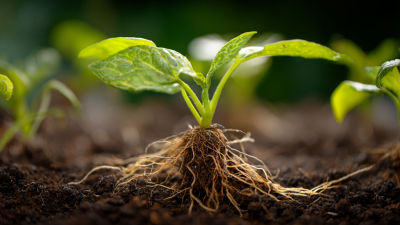
Rooting hormone powders have gained popularity for their role in boosting plant propagation. These powders typically contain key ingredients like auxins, which are natural plant hormones critical for root growth. When applied to cuttings, auxins stimulate root cell development, enabling plants to thrive in new environments.
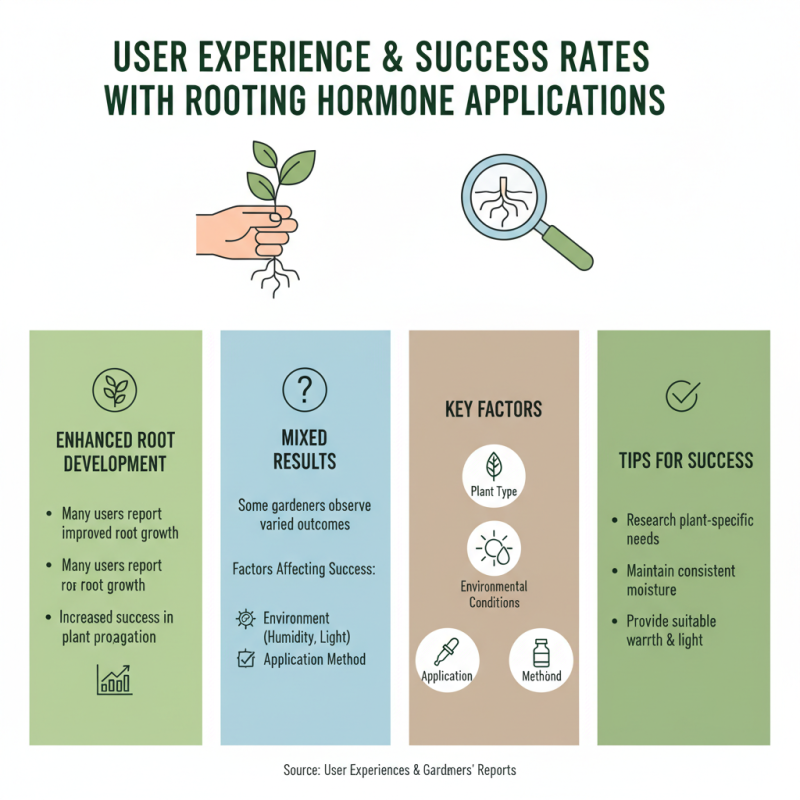
Another significant ingredient found in rooting hormone powders is indole-3-butyric acid (IBA). This compound promotes the formation of new roots and increases the overall vitality of plants. Users often notice faster rooting times with IBA compared to natural auxins. However, the effectiveness can vary based on plant species and environmental factors. Some may not achieve desired results, necessitating several trials.
Additionally, the presence of nutrients in rooting hormone powders can enhance root structure. Micronutrients like zinc and manganese support healthy cell division. Yet, reliance on such products can lead to over-dependence, potentially stunting plant resilience. Observing plant responses and adjusting the application is essential. Effective use combines knowledge with experimentation, creating an engaging journey for any gardener.
Comparative Analysis of Synthetic vs. Organic Rooting Hormones
Rooting hormones play a crucial role in plant propagation. Buyers are increasingly interested in their effectiveness. Synthetic and organic rooting hormones are the two main types available. Each has unique characteristics that influence choice.
Synthetic rooting hormones often contain compounds like auxins. These chemicals stimulate root growth rapidly. They are easy to use and provide quick results, making them popular among professional growers. However, their long-term impact on soil health remains uncertain. Some users report lower success rates when used on certain plant species.
Organic rooting hormones, on the other hand, utilize natural materials such as willow bark or honey. They promote growth at a slower pace. Many gardeners appreciate their environmentally friendly nature. Nevertheless, results can be unpredictable compared to synthetic options. Users sometimes find it challenging to achieve consistent results. Balancing speed and natural methods requires careful consideration from buyers.
2026 Comparative Analysis of Synthetic vs. Organic Rooting Hormones