What Are Pregabalin Tablets Used For and How Do They Work?
Pregabalin Tablets are widely used in the management of various neurological conditions. These tablets primarily target nerve pain and seizures. They work by dampening the excessive electrical activity in the brain. This action helps to stabilize nerve signals. As a result, patients often experience relief from discomfort.
Patients using Pregabalin Tablets may also find benefit for anxiety disorders. These conditions can profoundly affect daily life. It's essential to recognize both the potential benefits and limitations of this medication. While many feel improvements, others may have mixed results. Individual responses vary significantly.
Moreover, understanding how Pregabalin Tablets work can enhance treatment outcomes. Users should monitor their health closely and consult healthcare professionals regularly. This approach ensures optimal management of symptoms. Awareness of side effects and personal experiences remains crucial. A balanced perspective can lead to better health decisions.

What Are Pregabalin Tablets?
Pregabalin tablets are a type of medication commonly used to treat various conditions. These include nerve pain, anxiety disorders, and certain types of seizures. The drug works by affecting the way nerves send messages to the brain. As a result, it can help alleviate pain and provide relief from anxiety.
When talking about Pregabalin tablets, it is essential to understand how they function. They primarily target calcium channels in the nervous system. By doing so, they reduce the release of certain neurotransmitters. This action helps decrease the excitability of neurons, leading to a calming effect on nerve activity. Patients often report a notable reduction in symptoms over time.
However, it's necessary to consider potential side effects. Some users may experience dizziness, fatigue, or changes in weight. These effects can vary from person to person. It’s crucial to discuss these with a healthcare provider. Adjustments to dosage may be needed. This helps to find the right balance for treatment. Always remember that individual responses to medications can differ.
What Are Pregabalin Tablets Used For and How Do They Work?
| Indication |
Mechanism of Action |
Dosage Forms |
Common Side Effects |
| Neuropathic Pain |
Pregabalin binds to calcium channels in the central nervous system, inhibiting excitatory neurotransmitter release. |
Capsules, Oral Solution |
Dizziness, Drowsiness, Edema |
| Fibromyalgia |
Reduces the perception of pain in the nervous system. |
Tablets |
Dry Mouth, Weight Gain, Blurred Vision |
| Generalized Anxiety Disorder |
Modulates neuronal excitability and stabilizes mood. |
Extended-Release Capsules |
Fatigue, Nausea, Constipation |
| Seizure Disorders |
Inhibits the release of excitatory neurotransmitters, helping to control seizures. |
Tablets, Capsules |
Confusion, Tremor, Allergic Reactions |
Medical Uses of Pregabalin Tablets
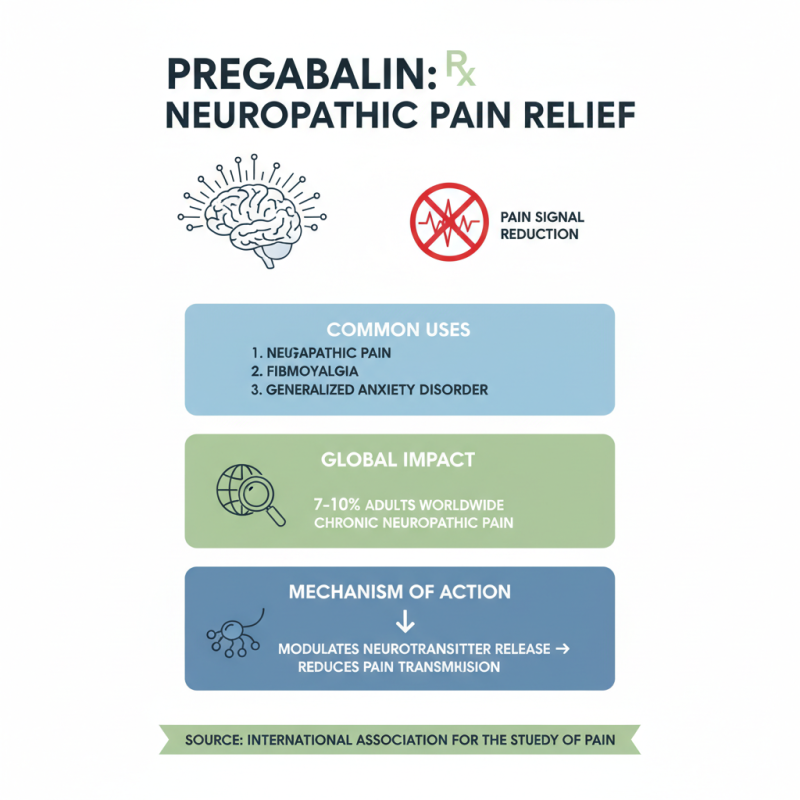
Pregabalin tablets are commonly used to treat several medical conditions. They primarily target neuropathic pain, which affects millions worldwide. According to a study published by the International Association for the Study of Pain, 7 to 10% of adults experience chronic neuropathic pain. Pregabalin helps by modulating neurotransmitter release, reducing pain signal transmission. Many patients report significant relief after starting this medication.
Beyond neuropathic pain, pregabalin is effective for managing generalized anxiety disorder (GAD). The National Institute of Mental Health states that about 6.8 million adults in the U.S. experience GAD annually. Pregabalin can decrease anxiety symptoms by inhibiting calcium channels, leading to a calming effect. However, it is not a one-size-fits-all solution. Each patient's response can vary, and side effects like dizziness or fatigue are common. Continuous assessment is crucial, ensuring the best outcomes while minimizing unwanted effects.
Some patients might also use pregabalin for conditions like fibromyalgia, characterized by widespread pain and tenderness. Research indicates that around 2% of adults have fibromyalgia. Despite the benefits, not everyone achieves complete relief. Frustration can arise, especially if the expected improvement does not occur. Adjusting dosage or exploring alternative therapies may be necessary to enhance the therapeutic experience.
Mechanism of Action: How Pregabalin Works
Pregabalin is often used to treat nerve pain, anxiety, and seizures. Understanding how it works is crucial. Pregabalin binds to specific calcium channels in the nervous system. This action reduces the release of neurotransmitters. Consequently, signals causing pain or distress may diminish.
The mechanism of action is quite interesting. When pregabalin attaches to the calcium channels, it impacts how nerves communicate. Pain signals traveling to the brain get interrupted. This can lead to a noticeable decrease in discomfort for many. The brain's perception of anxiety can also be altered.
Despite its effectiveness, pregabalin may not work for everyone. Some individuals report side effects that warrant attention. It is essential to monitor progress and communicate any concerns with a healthcare provider. Each person's response varies, leading to a complex understanding of how this medication fits into their treatment plan.
Dosage Guidelines for Pregabalin Tablets
Pregabalin tablets are often prescribed for various medical conditions. The appropriate dosage is crucial for effectiveness and safety. Generally, adult patients start with a low dose. Common initial dosages range from 75 mg to 150 mg per day. This may be adjusted based on individual response and tolerability. Some studies recommend increasing the dose in increments of 150 mg per week.
Adjustments are essential if side effects occur. Mood changes or dizziness might signal the need to reassess the dosage. In clinical trials, approximately 30% of users experienced side effects, indicating the importance of monitoring. Patients need clear communication with their healthcare providers. Understanding personal health histories can help in finding the right dosage.
Elderly patients or those with kidney issues may require lower doses. Creatinine clearance rates are crucial for determining the right amount. It’s a delicate balance, as higher doses do not universally equate to better results. Precision in prescribing can impact patient health significantly. Always consider these factors when discussing treatment options. This is a call for reflection on personal healthcare choices.
Potential Side Effects and Precautions
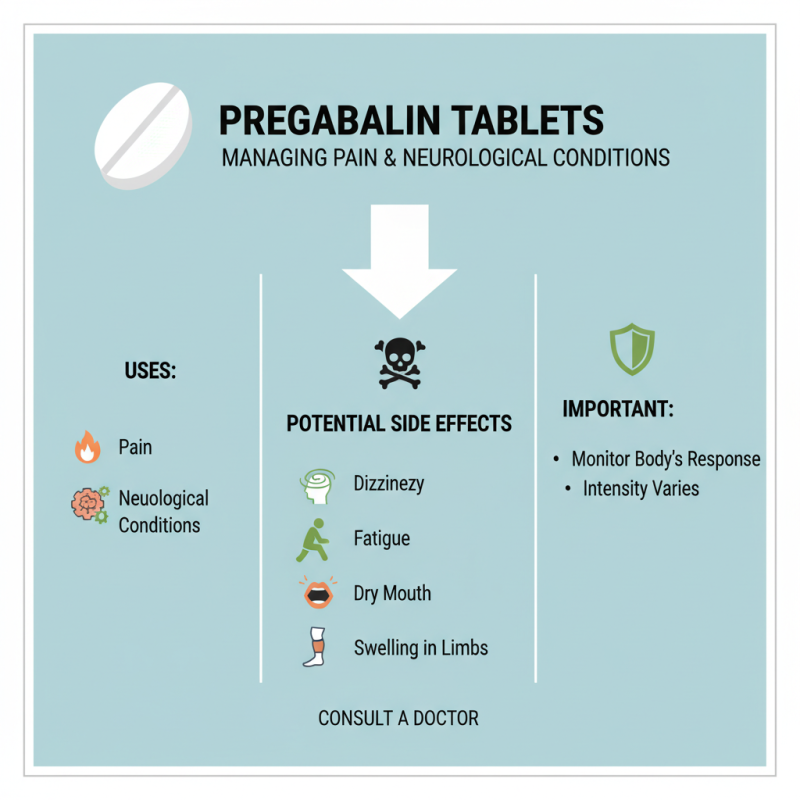
Pregabalin tablets are commonly used to manage pain and certain neurological conditions. While they can be effective, it is essential to understand the potential side effects. Common side effects include dizziness, fatigue, and dry mouth. Some people may experience swelling in their limbs. These reactions can vary in intensity. Monitoring your body’s response is crucial.
Taking pregabalin can lead to other less common issues, such as mood changes or problems with coordination. These effects may not be immediately evident but could develop over time. It's vital to communicate openly with your healthcare provider. They can guide you on how to minimize risks. Always report any unusual symptoms. This helps in adjusting the dosage or considering alternative treatments.
Precautions are necessary before starting this medication. Individuals with a history of substance use may face increased risks. Additionally, those with kidney issues should exercise caution. Pregabalin can interact with other medications, leading to unexpected complications. Always consult with a healthcare professional before making changes to your treatment plan. It's essential to ensure that your health remains a priority.