How to Use Pregabalin Medicine for Pain Management and Anxiety Relief
Pregabalin medicine has emerged as a pivotal treatment option for various types of neuropathic pain and anxiety disorders, with its efficacy supported by extensive clinical research. According to a report by the American Academy of Neurology, studies have shown that pregabalin significantly reduces pain levels in patients suffering from conditions such as diabetic neuropathy and fibromyalgia, providing a much-needed alternative for those who may not find relief with traditional analgesics. Furthermore, the prevalence of anxiety disorders, which affect nearly 31.1% of adults in the United States at some point in their lives, underscores the importance of effective pharmacological interventions. Pregabalin, approved for use in the treatment of generalized anxiety disorder, has been lauded for its rapid onset of action and favorable side effect profile.
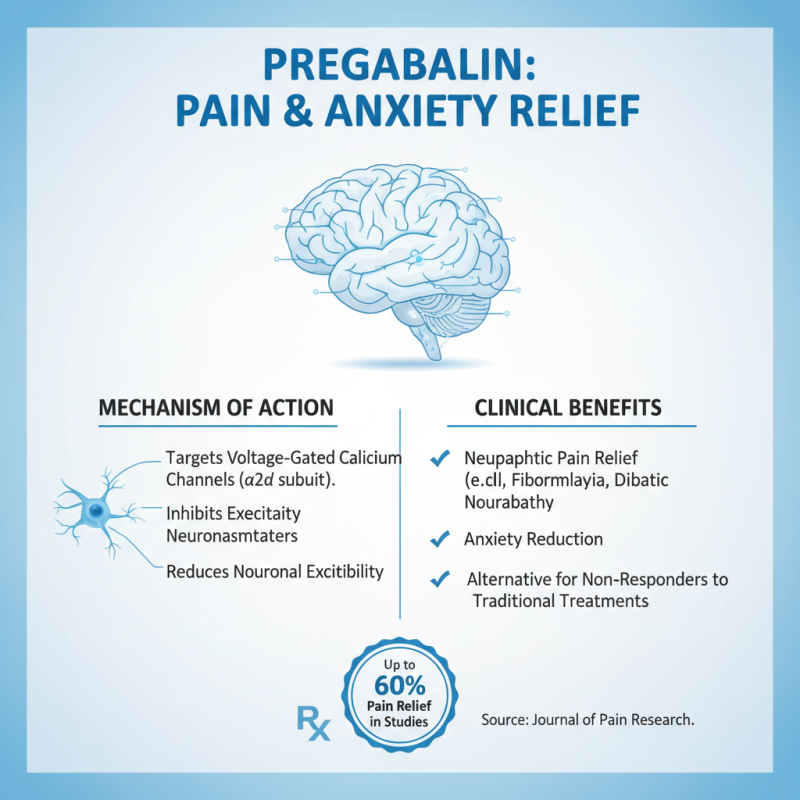
The mechanism of action of pregabalin involves the modulation of calcium channels in the nervous system, leading to decreased neurotransmitter release and reduced excitability of neurons. This pharmacological property not only helps alleviate pain but also addresses anxiety symptoms by stabilizing the excitatory neurotransmitters associated with stress responses. As healthcare professionals continue to seek safe and effective methods for managing chronic pain and anxiety, pregabalin medicine stands out as a versatile option. The growing body of evidence from clinical studies emphasizes its role in improving the quality of life for patients, making it a critical component in modern pain management and mental health strategies.

Understanding Pregabalin: Mechanism of Action in Pain and Anxiety Relief
Pregabalin is an anticonvulsant medication that has gained traction in the medical community for its effective role in pain management and anxiety relief. The mechanism of action of pregabalin centers around its interaction with voltage-gated calcium channels in the nervous system, specifically the α2δ subunit. By inhibiting excitatory neurotransmitter release, pregabalin reduces neuronal excitability. Research has shown that this action can significantly decrease pain associated with neuropathic conditions, offering an essential alternative for patients who do not respond adequately to traditional pain relief techniques. A systematic review published in the “Journal of Pain Research” noted that pregabalin could enhance pain relief in up to 60% of patients suffering from conditions like fibromyalgia and diabetic neuropathy.
In addition to its analgesic properties, pregabalin also serves as an effective anxiolytic agent. Clinical trials indicate that pregabalin demonstrates a rapid onset of anxiety relief, often within a week of starting treatment, which is a compelling advantage compared to some other anxiolytics that may take longer to show effects. According to data from the “American Journal of Psychiatry,” patients treated with pregabalin reported a significant reduction in anxiety symptoms, with improvements seen in over 50% of participants. This dual capability of managing both pain and anxiety highlights pregabalin's vital role in comprehensive patient care, catering to individuals who frequently experience comorbid conditions.
Indications: Conditions Treated with Pregabalin for Pain Management
Pregabalin has emerged as a key medication for managing various types of pain, particularly neuropathic pain, which can be challenging to treat. According to recent studies, neuropathic pain affects approximately 7-10% of the population, with conditions such as diabetic neuropathy and postherpetic neuralgia being among the most common contributors. By modulating the release of neurotransmitters, pregabalin effectively reduces the sensation of pain in these patients, offering relief that traditional analgesics often cannot provide.
In addition to its role in pain management, pregabalin is also indicated for the treatment of anxiety disorders, including generalized anxiety disorder (GAD). The prevalence of GAD is estimated to be around 3-5% in the general population, and it often coexists with chronic pain conditions, creating a cycle that can significantly impact a patient’s quality of life. Clinical trials have shown that pregabalin can diminish anxiety symptoms, allowing patients to better engage in pain management strategies. The dual efficacy of pregabalin in addressing both pain and anxiety highlights its importance in a comprehensive therapeutic approach to patients with overlapping syndromes, ultimately supporting improved overall outcomes.
Dosage Guidelines: How to Properly Use Pregabalin for Maximum Effect
When considering the use of pregabalin for pain management and anxiety relief, it is crucial to adhere to proper dosage guidelines to ensure maximum effectiveness. Pregabalin is commonly prescribed for neuropathic pain, fibromyalgia, and generalized anxiety disorder. According to a study published in the "Journal of Pain Research", patients who followed a titration schedule—starting from a lower dose and gradually increasing—reported significant reductions in pain levels and anxiety symptoms.
The recommended starting dose for adults is typically 75 mg per day, divided into two to three doses. This can be gradually increased based on efficacy and tolerability, with maximum doses often reaching 300 mg to 600 mg daily, depending on the individual's response and specific condition.
Safe usage also includes being aware of potential side effects, which may include dizziness, fatigue, and cognitive impairment. Data from the "American Journal of Psychiatry" suggests that 10-30% of patients may experience these side effects, emphasizing the need for patients and healthcare providers to closely monitor the dosage adjustments. It is essential to engage in regular follow-ups to assess both the therapeutic effects and any adverse reactions. This careful management ensures that the benefits of pregabalin are maximized, allowing patients to experience relief from pain and anxiety while minimizing risks associated with improper dosing.
Potential Side Effects: What You Need to Know Before Taking Pregabalin
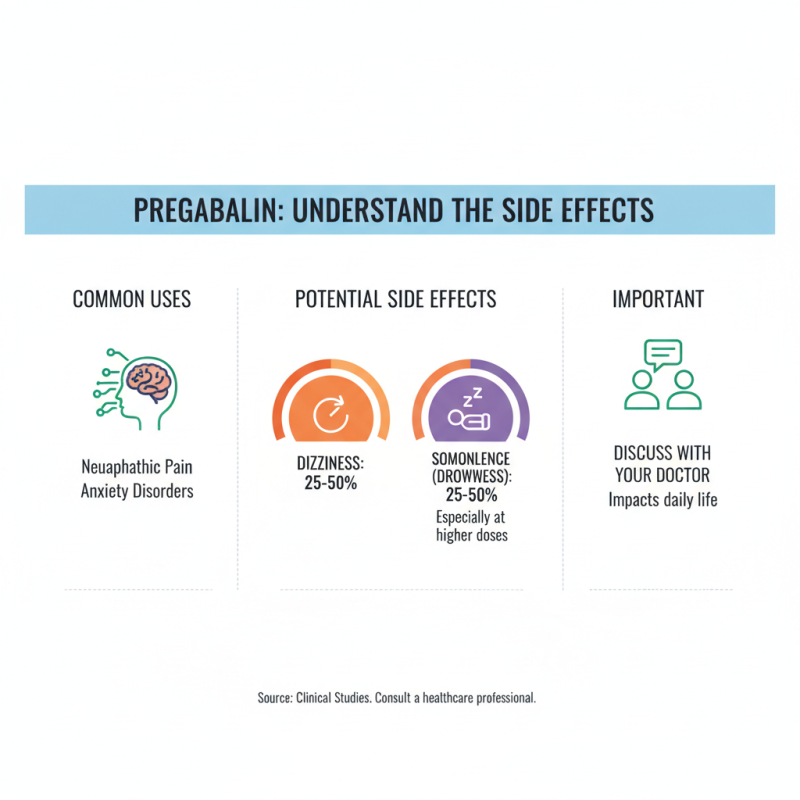
Pregabalin is a medication commonly prescribed for managing neuropathic pain and anxiety disorders. While it can be effective, understanding its potential side effects is crucial for informed decision-making. Clinical studies indicate that side effects occur in a significant percentage of patients. For example, the incidence of dizziness and somnolence can range from 25% to 50%, particularly among those who are initiated on the medication at higher doses. It is important for patients to discuss these possibilities with their healthcare providers, as these effects may impact daily functioning and quality of life.
In addition to dizziness and sedation, other common side effects reported in clinical trials include dry mouth, peripheral edema, and weight gain, with studies noting that approximately 10% of patients experience notable weight changes. Serious adverse effects, though less common, can also occur, including an increased risk of suicidal thoughts and behaviors documented in a meta-analysis of multiple studies. Understanding these risks can help patients weigh the benefits of pain management and anxiety relief against the potential for unwanted effects, allowing for a more tailored approach to treatment. Regular follow-ups and open communication with healthcare professionals can aid in monitoring for side effects and adjusting treatment as necessary.
Interactions: Medications and Substances to Avoid While Using Pregabalin
When using pregabalin for pain management and anxiety relief, it is crucial to be aware of potential interactions with other medications and substances. According to a study published in the Journal of Pain Research, up to 45% of patients using pregabalin might be at risk for adverse effects when combined with certain drugs, especially central nervous system (CNS) depressants.
Medications such as benzodiazepines, opioids, and alcohol can significantly amplify the sedative effects of pregabalin, which may lead to increased drowsiness, respiratory depression, and even overdose in severe cases. Hence, healthcare providers often recommend that patients avoid these substances to minimize risks.
Furthermore, it is essential to consider potential interactions with other non-CNS medications. For example, certain antiepileptic drugs and blood sugar-lowering medications can affect the metabolism of pregabalin, as noted in the American Journal of Medicine. This interaction can either heighten the therapeutic effects or cause an unpredictable response, complicating pain management strategies. Patients must consult with their healthcare professionals to assess their current medication regimens before starting pregabalin, ensuring a comprehensive approach to treatment that prioritizes both safety and effectiveness.