How to Use Plant Rooting Hormone for Successful Plant Propagation
In the realm of horticulture, the successful propagation of plants hinges on various techniques, one of the most potent being the use of Plant Rooting Hormone. According to Dr. Emily Green, a leading expert in plant sciences, “Applying plant rooting hormone effectively can significantly enhance the rooting process, leading to healthier, more robust plants.” As gardeners and horticulturists strive to reproduce their favorite species, understanding how to utilize this hormone becomes essential in maximizing propagation success.
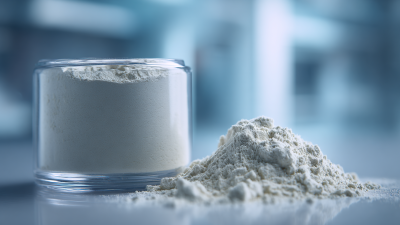
Plant Rooting Hormone serves as a catalyst that encourages root development in cuttings, making it a valuable tool for both amateur and professional plant enthusiasts. By stimulating cellular activity at the cut surface of a cutting, this hormone helps to initiate and accelerate root formation, ensuring that new plants thrive in their new environment. Whether you are propagating succulents, herbs, or woody plants, the right application technique can yield impressive results.
In this guide, we will explore various methods and best practices for effectively using Plant Rooting Hormone to achieve successful plant propagation. From the correct preparation of cuttings to the appropriate timing and environmental conditions, each element plays a vital role in harnessing the hormone's potential, ultimately leading to a flourishing garden filled with vibrant new life.
Understanding Plant Rooting Hormones and Their Benefits
Plant rooting hormones are essential tools for successful plant propagation, providing a significant boost in the rooting process. These hormones, primarily auxins, promote root development by stimulating cell elongation and division in young cuttings. Research indicates that using rooting hormones can increase the rooting success rate by up to 80%, significantly enhancing the chances of establishing healthy plants. With the proper application of these hormones, gardeners and horticulturists can dramatically improve both the speed and viability of root formation.
When applying rooting hormones, it's crucial to understand the appropriate method and timing. Many practitioners recommend dipping the cutting into hormone powder or gel right after making the cut, as this maximizes hormone absorption. According to the American Society for Horticultural Science, cuttings treated with rooting hormones tend to root 20-30% faster than untreated ones. Additionally, selecting the right concentration for your specific plant type can yield better results, as different species have varying sensitivities to these hormones.
Tips: When propagating, ensure your cuttings are healthy and disease-free to prevent any setbacks. Additionally, maintaining optimal humidity and temperature levels can further enhance rooting success. Avoid over-saturating the soil, as excessive moisture can lead to rot, counteracting the benefits of the rooting hormone. Implementing these practices will not only promote effective root growth but also increase your overall propagation success rate.
Effectiveness of Different Plant Rooting Hormones
Types of Plant Rooting Hormones and Their Specific Uses
Plant rooting hormones are essential tools for propagating plants effectively, as they stimulate root development in cuttings and other propagation methods. There are various types of rooting hormones, each suited for different plant species and propagation techniques. The most common types are auxins, which are plant growth regulators that promote root formation. They can be found in natural forms, such as indole-3-butyric acid (IBA) and indole-3-acetic acid (IAA), as well as synthetic forms that provide more control over root development.
When choosing a rooting hormone, it's important to consider the specific needs of the plant being propagated. For softwood cuttings, a powdered or gel-based hormone containing IBA is often recommended, as it encourages rapid root growth. For herbaceous plants, a lower concentration of rooting hormone can be beneficial, as these plants typically have an easier time establishing roots. Conversely, hardwood cuttings may require a more potent formulation to ensure successful propagation. Understanding the specific characteristics of the plant and the appropriate form of rooting hormone can significantly improve the success rate of propagation efforts.
Step-by-Step Guide to Applying Rooting Hormone for Propagation
When propagating plants, a rooting hormone can significantly increase the chances of success, making the entire process more efficient. Rooting hormones contain auxins, which are naturally occurring plant hormones that stimulate root formation. According to a study by the American Society for Horticultural Science, using rooting hormones can enhance rooting success rates by up to 60%, particularly for hard-to-root species. The application process is relatively straightforward, ensuring that both novice and experienced gardeners can achieve excellent results.
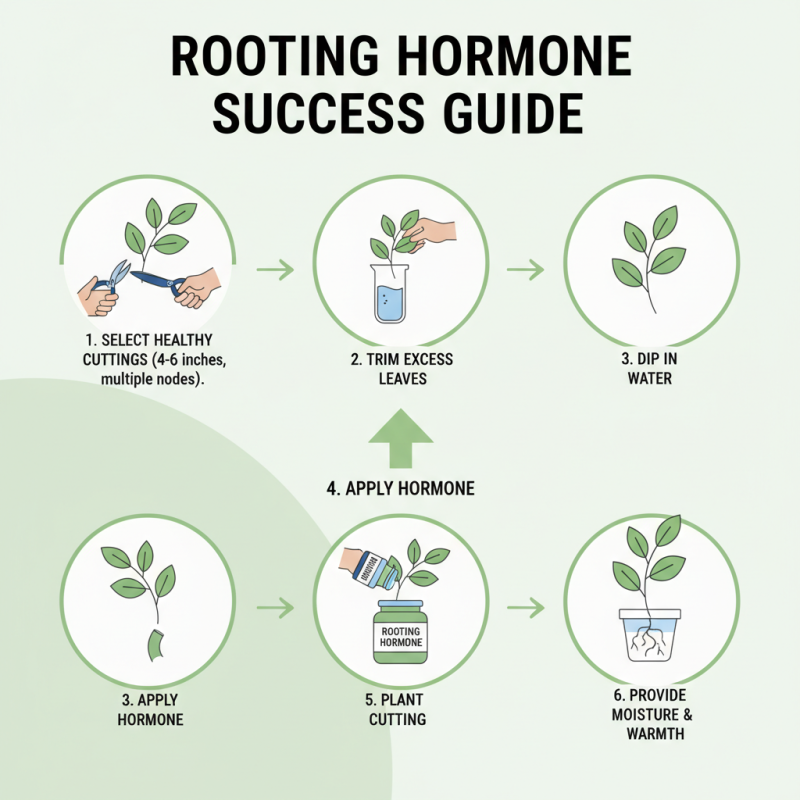
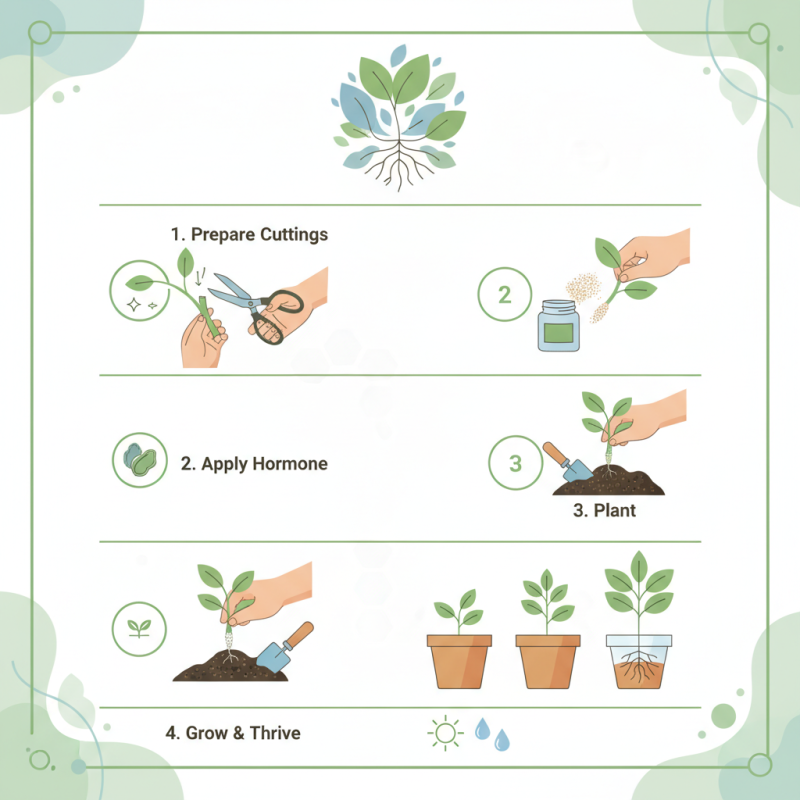
To apply rooting hormone effectively, start by preparing your cuttings. Select healthy stems with at least two nodes and cut them at an angle for optimal surface area. Dip the cut end in water before applying the rooting hormone. This helps the hormone adhere better to the cutting. Gently tap off any excess hormone to avoid clumping. Once the cuttings are treated, plant them in a suitable medium, such as a mix of perlite and peat, which promotes drainage and aeration.
Monitoring moisture levels is crucial after planting. A study conducted by the Royal Horticultural Society revealed that maintaining consistent moisture helps the cuttings establish roots more effectively. Mist the soil lightly to ensure it remains moist but not soggy, and cover the cuttings with a plastic bag or a humidity dome to create a greenhouse effect. This retention of humidity is essential, as higher moisture levels can lead to better rooting outcomes, affirming the importance of adhering to these detailed steps when using rooting hormone for plant propagation.
Best Practices for Successful Propagation Using Rooting Hormone
When propagating plants using rooting hormone, following best practices can significantly enhance your success rate. First, ensure that you select healthy, disease-free cuttings from the parent plant. The ideal cuttings are usually 4-6 inches long and should contain several leaf nodes. After taking the cuttings, trim the leaves to reduce water loss and promote better energy allocation towards root development. Before applying the rooting hormone, dip the cut end of each cutting in water to help the hormone adhere better.
Once the cuttings are prepared, immerse the cut ends into the rooting hormone, covering them thoroughly but avoiding excess. Gently tap off any excess hormone to prevent clumping, which can inhibit root growth. It's also crucial to place the treated cuttings in a suitable growing medium, such as a mix of perlite and peat moss, which provides good drainage and aeration. Maintaining optimal moisture levels and humidity around the cuttings can facilitate quicker root development. A clear plastic bag over the cuttings or a humidity dome can help maintain humidity, but remember to provide some ventilation to prevent mold growth.
Troubleshooting Common Issues in Plant Propagation with Rooting Hormone
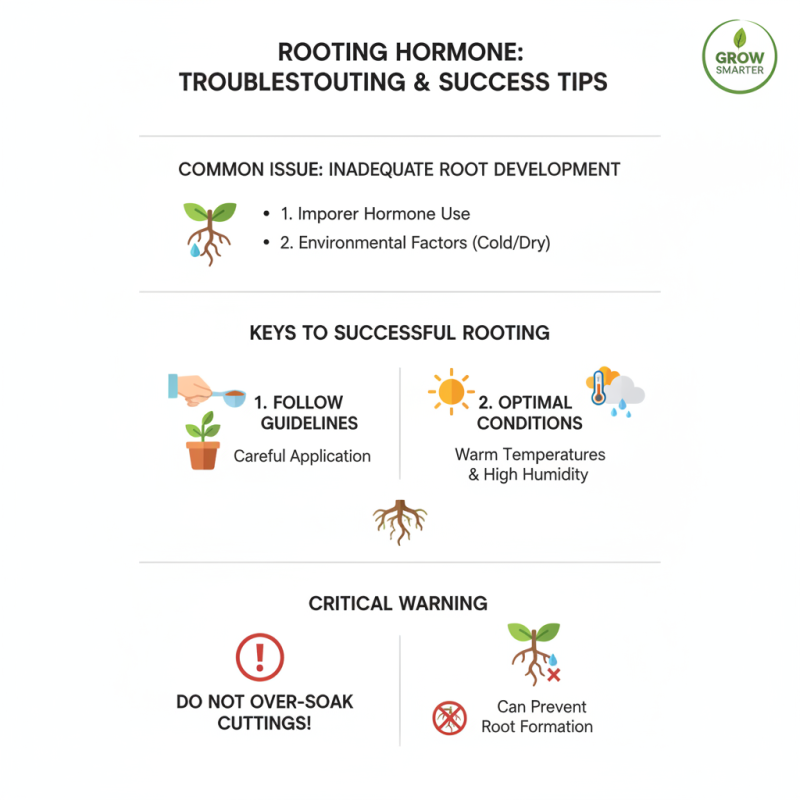
When using plant rooting hormone to enhance propagation success, it is important to recognize and troubleshoot common issues that may arise. One frequent problem is inadequate root development, which can be attributed to either improper usage of rooting hormone or environmental factors. To ensure successful rooting, it’s essential to follow the recommended application guidelines carefully and maintain the right conditions—warm temperatures and high humidity—since both are crucial for triggering root growth. Additionally, over-soaking cuttings in rooting hormone can lead to adverse effects, such as preventing root formation.
Another issue that propagators often face is the occurrence of rot at the base of cuttings. This can happen when cuttings are exposed to excessive moisture or are planted too deeply. To prevent rot, ensure that the cuttings are planted in well-draining soil and that excess moisture is managed. Regularly checking the moisture levels and adjusting watering practices can help maintain a healthy environment for the developing roots. By being aware of these common issues and addressing them proactively, gardeners can improve their success rates in plant propagation using rooting hormone.