Leave Your Message

Best Legal Bodybuilding Supplements from China for Muscle Growth

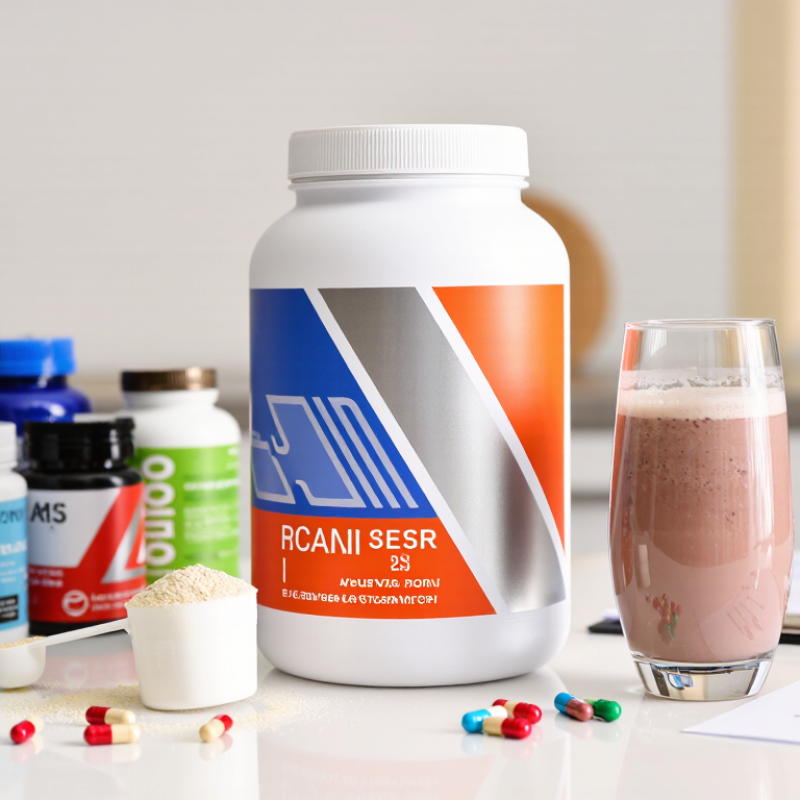
Choosing the best legal bodybuilding supplements from China for muscle growth takes more than comparing prices or bold claims. A tub of protein powder may look convincing, but the label, ingredient amounts, and batch testing matter more. Look for clear serving information and independent testing for identity and contaminants. Manufacturing standards can be useful to review, though a certificate alone does not prove every product is effective or suitable.

Keep expectations realistic. Creatine monohydrate and protein supplements have research supporting specific uses, but results still depend on training, food, sleep, and individual health. “Steroids Bodybuilding” may appear in online searches, yet this guide focuses on lawful dietary supplements—not prescription medicines or prohibited substances. The distinction matters. Product rules also vary by country, so check local requirements before buying or importing anything.

A practical review should explain what each ingredient may do, how much the product provides, and what evidence supports it. It should also note possible drawbacks, such as caffeine affecting sleep or a supplement not fitting someone’s medical needs. For products sourced from China, ask for batch-specific test reports and verify that the testing laboratory is independent. Do not rely on origin, influencer praise, or polished packaging as proof of quality. Some labels are still hard to interpret, and that deserves scrutiny. A clinician or qualified dietitian can help assess personal risks, especially when medications or health conditions are involved. This guide offers a careful starting point, not a promise of fast gains.
Best Legal Bodybuilding Supplements from China for Muscle Growth

What Legal Bodybuilding Supplements Are and How They Support Muscle Growth

Legal bodybuilding supplements are products intended to support training, nutrition, or recovery without replacing ordinary food or consistent exercise. Common options include protein powders and creatine monohydrate. Protein helps people meet daily protein needs, especially when meals are rushed. Creatine may support repeated high-intensity efforts, such as several sets of squats. Neither product builds muscle on its own. Training still matters.

Muscle growth depends on progressive resistance exercise, adequate calories, protein, and recovery. A supplement can fill a practical gap, not fix poor sleep or an inconsistent program. Keep it simple.

Check the ingredient list, serving size, allergen information, and independent quality-testing details. For products sourced from China, manufacturing standards and documentation can differ between suppliers; country of origin alone does not establish quality or safety.

Choose products that comply with the rules where they are sold, and verify current labeling rather than relying on broad claims. Evidence is useful, but individual responses vary. Creatine, for instance, can increase water stored in muscle, which may change scale weight without showing new muscle tissue. That distinction is easy to miss.

People with medical conditions, those taking medication, and anyone unsure about an ingredient should consult a qualified health professional before use.
Key Supplement Categories for Strength and Muscle Development

Protein powders can help fill a practical gap when meals fall short. The International Society of Sports Nutrition’s position stand on protein and exercise suggests 1.4–2.0 grams of protein per kilogram of body weight daily for most exercising people. It also describes 20–40 grams per serving as a useful range. A shake after training is convenient, but it is not a substitute for adequate meals. Check the ingredient list, allergen details, and batch-specific testing before buying. Small details matter.

Creatine monohydrate is another well-studied category for strength and repeated high-intensity effort. The ISSN position stand reports that 3–5 grams daily can maintain elevated muscle creatine stores; loading is optional. Carbohydrate powders may also suit long or demanding sessions, especially when a full meal is impractical. Still, more powder does not mean more progress. Sleep, training quality, and consistent food intake are easy to overlook. Product quality can vary, so buyers sourcing supplements from China should request current certificates of analysis and contaminant-screening results. I would not treat a certificate as a guarantee without checking its testing scope.

How to Assess the Quality and Compliance of Supplements from China

When assessing muscle-growth supplements made in China, treat country of origin as one detail, not a quality verdict. Ask for a current certificate of analysis tied to the exact lot number. It should report ingredient identity, protein content, heavy metals, and microbial results. A generic sample report is weak evidence. Details matter.

Check whether the facility follows the importing market’s manufacturing rules, and verify the certificate directly with its issuer. In the United States, dietary supplements are not FDA-approved before sale; FDA manufacturing rules still apply. Independent programs such as NSF/ANSI 173 can add product testing and label review. The Council for Responsible Nutrition’s 2023 Consumer Survey reported that 74% of U.S. adults use supplements, but popularity does not prove safety or purity. I would still compare the label against the lot report and look for clear testing methods, dates, and laboratory details. A polished certificate is not enough. Some documents are difficult to interpret, and that uncertainty deserves a follow-up question.

Best Legal Bodybuilding Supplements from China for Muscle Growth - How to Assess the Quality and Compliance of Supplements from China
Supplement category Common ingredient What evidence supports Quality checks Compliance checks before purchase or import
Protein powder Whey, casein, soy, or pea protein Convenient way to increase daily protein intake. Muscle growth depends on training and adequate total protein; powder is not required if dietary intake is sufficient. Check protein per serving, serving size, amino-acid information, allergen statements, ingredient list, batch number, and a lot-specific test report for identity and contaminants. Confirm the product’s classification, permitted ingredients, label language, allergen declarations, and import requirements in the destination market.
Creatine Creatine monohydrate One of the best-studied sports supplements; regular use can improve performance in repeated high-intensity efforts and support gains in strength and lean mass alongside resistance training. Look for a clearly identified creatine form, ingredient purity results, heavy-metal and microbiological testing, and a certificate of analysis tied to the production lot. Check whether the ingredient and dosage are permitted for the intended product category and market. Rules for foods, supplements, and sports products differ by jurisdiction.
Pre-workout stimulant Caffeine Caffeine can improve alertness and some exercise-performance measures. Individual response varies, and it is not a direct muscle-building ingredient. Verify the caffeine amount per serving, serving instructions, total stimulant content, and warnings. Avoid products with unclear proprietary blends. Review local limits and labeling rules for caffeine, required warnings, and restrictions on sale to particular groups. Check for undeclared stimulants through independent testing.
High-intensity exercise support Beta-alanine May improve performance in some repeated, high-intensity efforts lasting roughly one to several minutes. It is not established as a direct muscle-growth agent. Check the declared amount per serving, serving directions, ingredient identity, and whether the product explains that temporary tingling can occur. Confirm that the ingredient, claims, and directions comply with the destination market’s food and supplement rules.
Pre-workout amino acid L-citrulline or citrulline malate Research on exercise-performance benefits is mixed; evidence does not establish it as a reliable standalone muscle-growth supplement. Check the exact ingredient form and amount. For blends, verify the quantity of each ingredient rather than relying on a total blend weight. Check ingredient status, claims, and label requirements in the destination market; do not assume rules are identical across countries.
General product traceability Applies to all categories A product’s country of manufacture alone does not establish its efficacy, safety, or regulatory status. Request a current, lot-specific certificate of analysis from a competent laboratory. Check test methods, sample and batch identifiers, test dates, and results for identity, heavy metals, microbes, and relevant contaminants. Verify the manufacturer’s applicable production authorization, export and import documents, product classification, and destination-country labeling rules. A certificate or registration in one jurisdiction does not automatically authorize sale elsewhere.
Assessment note: This is a general screening framework, not a certification or endorsement of any specific product. Legal status depends on the ingredient, formulation, claims, and destination market. Consult the relevant food or supplement regulator and a qualified professional when needed.

How to Choose Supplements for Your Training Goals and Dietary Needs

Choose supplements by matching them to a clear training goal, not by chasing the biggest claims. For muscle growth, consistent resistance training and enough daily protein matter more than any powder. If meals fall short, a protein supplement can offer a practical serving after training or between meals. Check the protein per serving and the full ingredient list. People avoiding dairy may prefer soy or pea protein, though taste and texture can take some trial and error.

For strength and repeated high-intensity efforts, creatine monohydrate is a well-studied option for many healthy adults. Ask a qualified health professional before using it if you have a medical condition, take medication, or are unsure it suits you. Dietary restrictions deserve equal attention: check for allergens, sweeteners, and ingredients that conflict with your needs. Small details matter.

When buying products made in China, do not assume origin alone proves quality. Look for clear manufacturing information, batch-specific independent testing, and labels you can verify. Rules for importing supplements vary by location, so check local requirements. It is easy to overvalue a polished label; daily diet, training, sleep, and honest tracking are less flashy, but usually more useful.

Safe Use, Ingredient Checks, and Progress Monitoring

When choosing legal bodybuilding supplements sourced from China, treat the origin as one detail, not a safety guarantee. Check that every ingredient and amount appears clearly on the label. Avoid vague proprietary blends and products promising dramatic, rapid muscle gain. Look for lot-specific testing from an independent laboratory accredited for the relevant analyses. A certificate should match the product’s batch, not just show a generic quality claim. Check allergens, serving size, expiry date, and local rules. If you take medication or have a health condition, ask a qualified clinician before use. More is not automatically better.

Use supplements to support consistent meals and training, not replace them. Follow the label, and introduce only one new product at a time. That makes reactions easier to notice. Keep a simple weekly record of body weight, workout loads, repetitions, sleep, and digestion. A notebook beside your training shoes works fine. Compare trends over several weeks rather than judging one session. Progress can be uneven. Missed entries happen, so the record will not be perfect. Stop taking a product and seek medical advice if you notice unusual symptoms. If training performance, recovery, or health worsens, reassess the product and your overall routine with a qualified professional.