How to Use Plant Rooting Hormone Effectively?
In the world of horticulture, the use of Plant Rooting Hormone has emerged as a game changer. According to a report by the American Society for Horticultural Science, nearly 70% of nurseries employ rooting hormones to enhance plant propagation. This statistic highlights the importance of these substances in promoting healthy root development in cuttings. Industry expert Dr. Emily Green stated, "Plant Rooting Hormone is essential for successful plant propagation, delivering results that can be measured in increased yields."
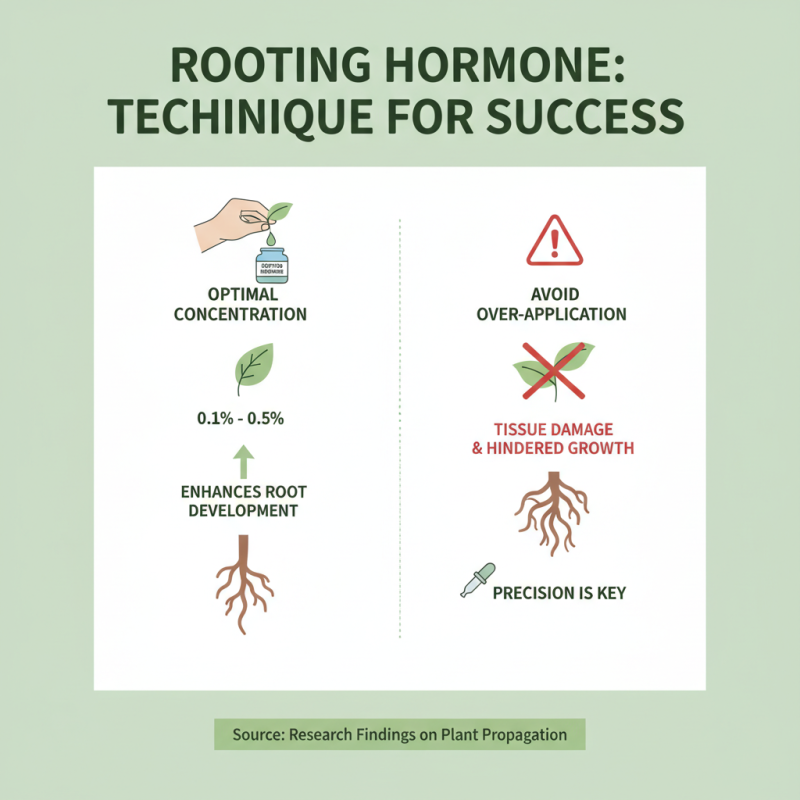
Despite its significance, some growers struggle with the application of Plant Rooting Hormone. It's crucial to understand the proper usage to achieve optimal results. Many factors come into play, including the concentration of the hormone and the type of plant material used. A common mistake is over-applying the hormone, which can damage the cutting and hinder growth rather than support it.
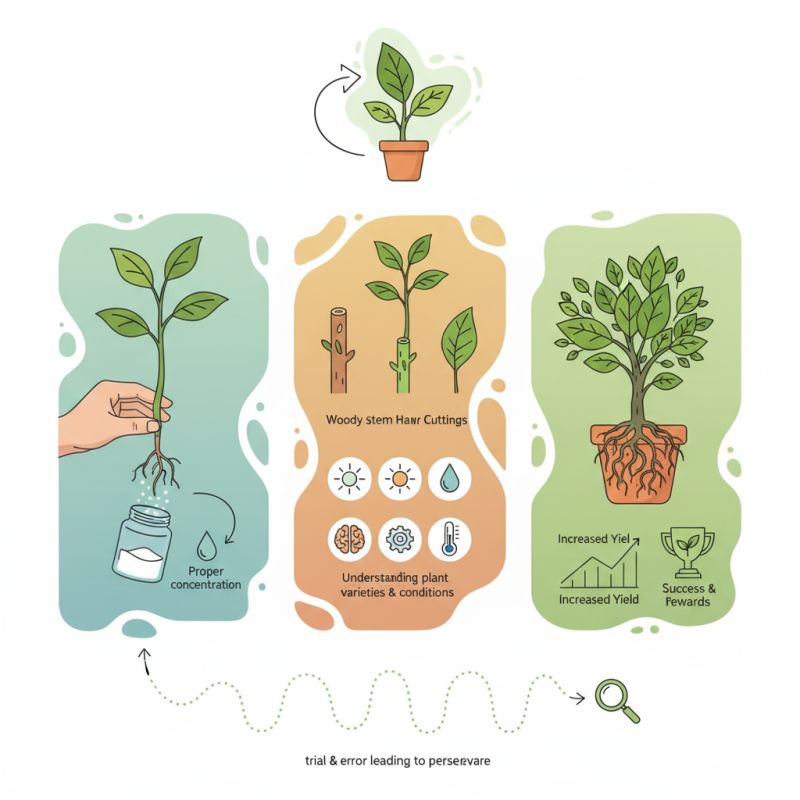
Understanding how to use Plant Rooting Hormone effectively can be complex. It requires awareness of plant varieties and environmental conditions. Growers need to be mindful of these specifics to avoid setbacks in their propagation efforts. The road to success with rooting hormones may involve trial and error, but the rewards can be significant for those who persevere.
Understanding Plant Rooting Hormone: Types and Active Ingredients
Plant rooting hormones are vital for successful propagation. They can enhance root system development in cuttings. There are two main types: auxins and cytokinins. Auxins are the most commonly used. They promote root growth and cellular division.
The active ingredient in many rooting hormones is indole-3-butyric acid (IBA). This substance encourages roots to form quickly. Another component is naphthaleneacetic acid (NAA). It helps plants to establish stronger roots. However, not every plant responds well to these hormones. For example, some succulents may need less or no hormone.
Tips: Always test a small batch first. Not all plants will root well with hormone use. If unsure, try propagating without it. Observe the differences carefully. Sometimes, relying solely on hormones can lead to underdeveloped roots. Natural methods can foster resilience in plants. Engage with the entire process—watch and learn.
Effectiveness of Different Types of Plant Rooting Hormones
The Science Behind How Rooting Hormones Promote Root Development
Rooting hormones play a crucial role in promoting root development. They contain auxins, which are natural plant hormones. Auxins stimulate the cells at the cut ends of plant cuttings, encouraging new root growth. This process is vital for successful propagation. Understanding this science helps gardeners achieve better results.
When using rooting hormones, cleanliness is vital. Always use sterilized tools to avoid contamination. Dip the cut end of the plant in water before applying the hormone. This simple step increases adhesion. Ensure that you follow the recommended dosage. Using too much can hinder growth instead of promoting it.
Finding the right location for your cuttings can make a big difference. A humid environment encourages root formation. Covering cuttings with plastic helps retain moisture. However, avoid letting condensation pool, as it can lead to rot. Observing the cuttings regularly helps identify any signs of trouble.
Step-by-Step Guide: Preparing Cuttings for Rooting Hormone Application
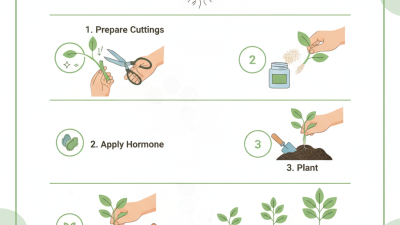
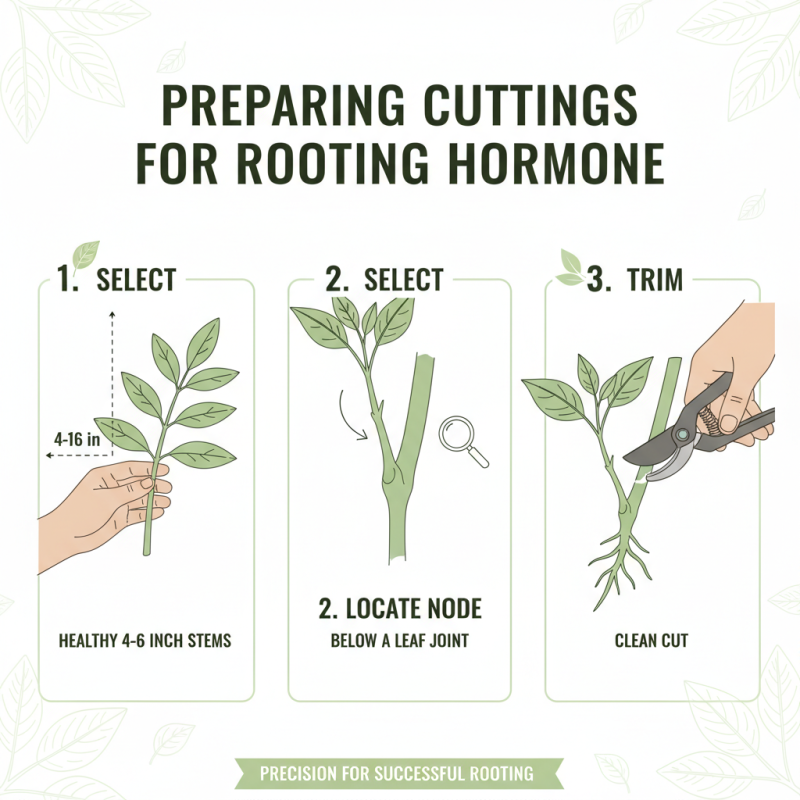
Preparing cuttings for rooting hormone application is a meticulous process. Start by selecting healthy stems. Aim for a length of about 4 to 6 inches. Trim just below a node, where roots will eventually emerge. This precision matters. A clean cut prevents damage. It’s easy to make a mistake here, so take your time.
Next, remove any leaves from the lower part of the cutting. Too many leaves can lead to moisture loss. Aim for two to three leaves at the top. This balance allows the cutting to focus on root development. Dip the cut end into the rooting hormone. Make sure the hormone coats the area well. However, avoid over-application. Too much hormone can hinder growth rather than promote it.
After applying the hormone, place the cuttings in a suitable medium. Use a fresh potting mix or even water for some plants. Ensure the medium is moist but not soggy. Monitor the cuttings regularly. Adjust moisture levels as needed. If you notice wilting, it’s time to reassess your care strategies. Each cutting is unique, and patience is crucial.
Optimal Application Techniques for Maximum Root Growth
When applying plant rooting hormone, technique is crucial for success. Research indicates that using the right concentration can significantly enhance root development. For most cuttings, a 0.1% to 0.5% concentration works best. Over-application can lead to damaged tissues and hinder growth, so precision is key.
The method of application matters too. Dip cuttings directly into the hormone for 10-15 seconds. This direct contact maximizes absorption and promotes quicker root initiation. However, some growers have reported mixed results with this method. It can sometimes leave a powdery residue that may inhibit growth if not used correctly.
Maintaining suitable environmental conditions is essential. A temperature range of 70°F to 75°F encourages rooting, while higher humidity levels help prevent cuttings from drying out. Be mindful, though. Too much moisture can lead to rot. Monitoring and adjusting these factors throughout the rooting process can set you on a path to achieving robust root systems.
Common Mistakes to Avoid When Using Rooting Hormones in Propagation
Using rooting hormones can greatly enhance the success of plant propagation. However, there are common mistakes that many gardeners make. One frequent error is applying too much hormone. A small amount is often sufficient. Overuse can lead to burnt tips on cuttings or even fungal growth.
Another issue is not preparing cuttings properly. Ensure that your cuttings are healthy. Clean the tools used for cutting. This step prevents introducing diseases. Some people skip this, thinking it’s unnecessary. Choosing the wrong type of rooting hormone also limits success. Different plants require different hormones. A one-size-fits-all approach rarely works.
Furthermore, environmental conditions play a huge role. Many forget to monitor humidity and temperature. Too dry or too cold can stall root development. Keep cuttings in a controlled environment. It’s also vital to avoid letting cuttings touch one another. This can cause rot. With these details in mind, gardeners can improve their propagation efforts significantly.
How to Use Plant Rooting Hormone Effectively? - Common Mistakes to Avoid When Using Rooting Hormones in Propagation
| Common Mistakes |
Description |
Tips for Successful Use |
| Using Too Much Hormone |
Overapplication can damage the plant tissues and inhibit rooting. |
Follow the recommended dosage on the label for best results. |
| Not Preparing Cuttings Properly |
Improper preparation can lead to poor absorption of the hormone. |
Make clean cuts and remove excess leaves before applying the hormone. |
| Ignoring Environmental Conditions |
Extreme temperatures can affect the effectiveness of rooting hormones. |
Maintain optimal humidity and temperature during the rooting process. |
| Not Using Sterilized Tools |
Using unclean tools can introduce pathogens to the cuttings. |
Always sterilize scissors or knives before cutting plants. |
| Failing to Monitor Progress |
Neglecting to check cuttings can lead to missed signs of trouble. |
Regularly check moisture levels and development of roots. |