Leave Your Message

How to Choose the Right Anti Depression Pills for You?

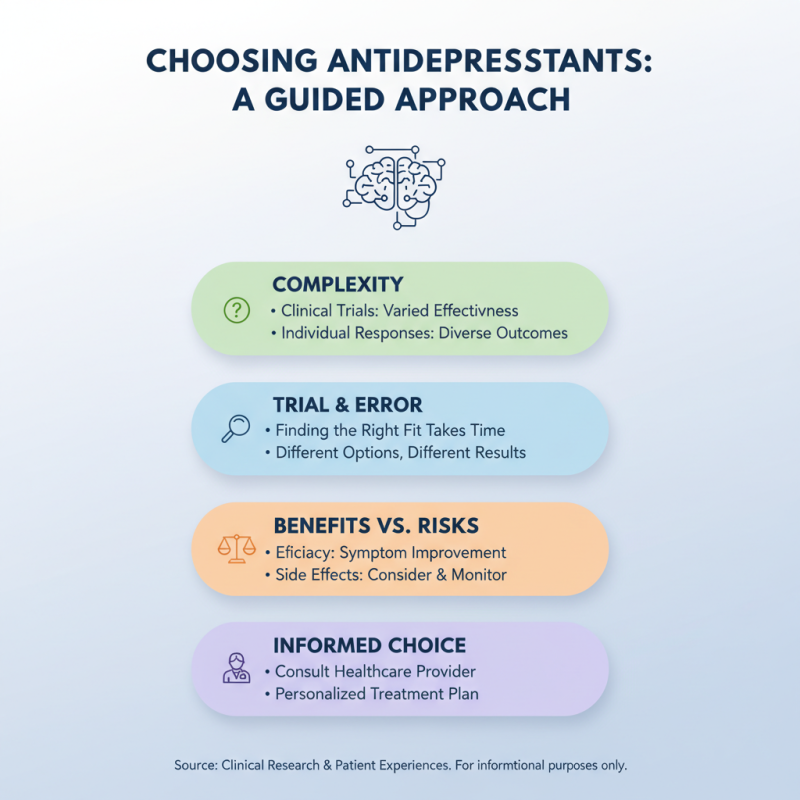
Choosing the right Anti Depression Pills can be challenging. Each person's experience with depression is unique. What works for one may not work for another. It is essential to consider your specific symptoms and needs.

Many factors influence the effectiveness of these medications. Your overall health, lifestyle, and even genetics play a role. Consult with a healthcare provider to explore options. They can guide you through various types of pills available.

However, it's important to remain patient and open-minded. Finding the perfect match may take time. You may feel overwhelmed, and that’s okay. Keep track of how you feel with each option. Reflect on the changes and discuss them with your doctor. The journey to find the right Anti Depression Pills requires persistence and self-awareness. Every step, even the challenging ones, contributes to your progress.

How to Choose the Right Anti Depression Pills for You?

Understanding Different Classes of Antidepressants and Their Functions

Choosing the right antidepressant requires understanding the different classes available. Each class functions uniquely, impacting neurotransmitters in various ways. This can create different experiences for users. Selective Serotonin Reuptake Inhibitors (SSRIs) are often prescribed first. They boost serotonin levels, enhancing mood for many individuals. However, SSRIs may not work for everyone. Some might experience side effects like insomnia or fatigue.

Another class is Serotonin-Norepinephrine Reuptake Inhibitors (SNRIs). They target both serotonin and norepinephrine. Users may notice improved energy levels. Yet, some feel jittery initially. Tricyclic Antidepressants (TCAs) are older and can be effective. However, they often come with more side effects. Weight gain and dry mouth are common complaints. Understanding these intricacies is vital in making an informed choice.

Finally, Atypical Antidepressants have varied mechanisms. They might improve mood without affecting typical neurotransmitter pathways. Users must be patient, as finding the right fit can take time. Discussing experiences and symptoms with a healthcare provider is essential. It's also important to note that everyone's journey with antidepressants is unique. Don't hesitate to explore options and keep a journal of your feelings.


Evaluating the Efficacy of Antidepressants: Key Clinical Trial Findings

How to Choose the Right Anti Depression Pills for You?

Choosing the right antidepressants can be challenging. Clinical trials have provided insights into their effectiveness. Many people respond differently to various options. It's essential to consider both benefits and potential side effects.

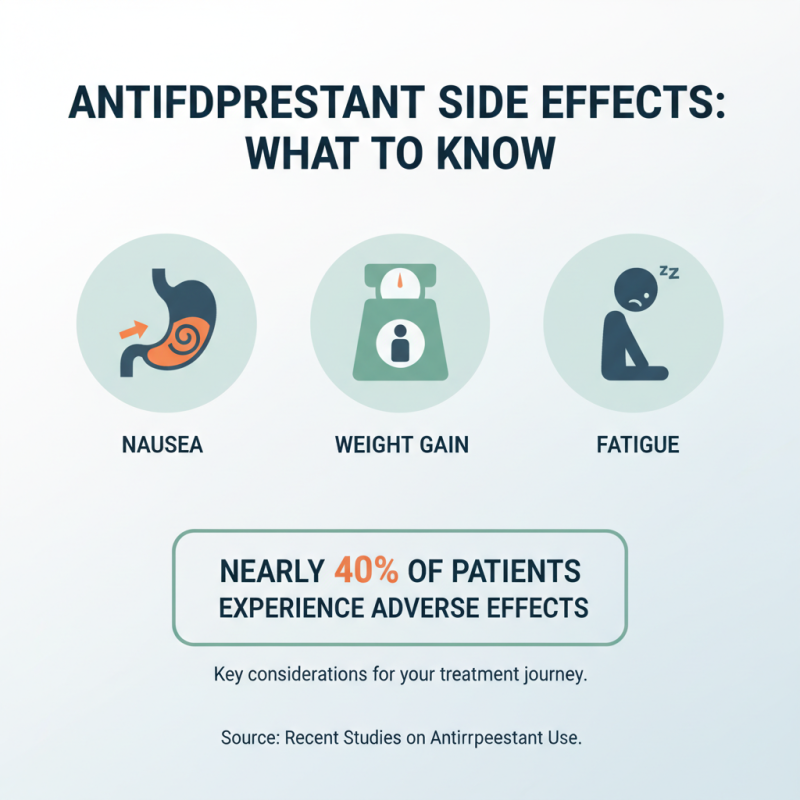
Recent findings show that certain antidepressants can reduce symptoms in 40-60% of users. However, this does not guarantee results for everyone. Some may experience side effects like nausea, weight gain, or fatigue. It's crucial to weigh these factors while making a decision.

Consulting with a healthcare provider is vital. They can guide you based on your specific situation. Keep in mind that finding the right medication may take time. Reflection is necessary during this process. It's okay to seek support from loved ones or professionals while navigating your options.

Assessing Potential Side Effects and Risks of Common Antidepressants

How to Choose the Right Anti Depression Pills for You?

When considering antidepressants, assessing potential side effects is crucial. Common side effects include nausea, weight gain, and fatigue. According to recent studies, nearly 40% of patients experience some adverse effects when starting a new medication. Recognizing these risks can help you avoid unexpected challenges in your treatment journey.

It's important to note that individual reactions vary. Some may find that an antidepressant initially improves their mood, only to face new issues weeks later. Monitoring your response closely is vital. Keeping a journal can help track any changes. Speak openly with your healthcare provider if something doesn’t feel right.

**Tip:** Discuss alternative therapies if side effects are intolerable. Options like therapy or lifestyle changes can complement medication. Understanding your body’s reaction is essential. Arm yourself with information before making choices. Stay proactive and engaged in your mental health journey.

Personalizing Treatment: Factors Influencing Antidepressant Choices

When selecting the right antidepressant, consider various personal factors. Each person's experience with depression is unique. Age, lifestyle, and medical history all play critical roles. These elements influence which medication may work best for you. For example, older adults may metabolize drugs differently. This might require adjustments in dosage or even type.

Another factor is the side effects associated with each medication. People react differently to these effects. Some may struggle with insomnia, while others might experience weight gain. It’s essential to discuss these possibilities with your health provider. Finding the right balance can be a challenging process.

Moreover, personal preferences can also guide your choice. Some individuals prefer a medication that’s taken once daily. Others might be open to multiple doses. Reflecting on your own routine will help in this decision. The process of finding the right treatment is often non-linear. It requires patience and open communication with your healthcare professional.

Consulting Healthcare Professionals: The Role of Psychiatrists and Therapists

Choosing the right anti-depression pills can be a daunting task. This is where healthcare professionals play a crucial role. Psychiatrists and therapists have the expertise to guide you. They can help you understand your symptoms better. They often ask specific questions about your feelings. This dialogue uncovers patterns in your mood and behavior.

A thorough evaluation by these professionals is vital. They may suggest tests to rule out other conditions. After this, they can recommend suitable medications. This individual approach ensures better management of your mental health. Sometimes, the process feels overwhelming. You might not connect with the first psychiatrist you meet. That’s okay; finding the right fit takes time.

Therapists can also provide valuable support throughout this journey. They can offer coping strategies beyond medications. Regular check-ins with them can help track your progress. This partnership creates a safe space for reflection. Understanding medication and therapy can feel like navigating a maze. Embracing the imperfections of this journey is key to healing.

How to Choose the Right Anti Depression Pills for You?

Medication Type Common Uses Possible Side Effects Consulting Professional
Selective Serotonin Reuptake Inhibitors (SSRIs) Depression, Anxiety Disorders Nausea, Insomnia, Sexual Dysfunction Psychiatrists, Primary Care Physicians
Serotonin-Norepinephrine Reuptake Inhibitors (SNRIs) Major Depressive Disorder, Generalized Anxiety Disorder Headaches, Dizziness, Increased Heart Rate Psychiatrists, Therapists
Tricyclic Antidepressants (TCAs) Depression, Chronic Pain Management Weight Gain, Drowsiness, Dry Mouth Psychiatrists, Therapists
Monoamine Oxidase Inhibitors (MAOIs) Atypical Depression, Panic Disorders High Blood Pressure, Weight Gain, Sleep Issues Psychiatrists, Dietitians
Atypical Antipsychotics Bipolar Disorder, Depression with Psychotic Features Weight Gain, Sedation, Diabetes Risk Psychiatrists, Mental Health Specialists