Leave Your Message

What Is Boldenone and Is It Safe for Cutting?

What is boldenone, and can it make cutting safer or more effective? The question deserves caution. Boldenone is an anabolic-androgenic steroid associated primarily with veterinary use, not an established human treatment for fat loss. Human evidence is limited, and online claims often go beyond what reliable clinical research can support. That uncertainty matters.

Boldenone For Cutting may sound appealing to people seeking a leaner physique while preserving muscle. But cutting depends on sustained nutrition, training, sleep, and overall health—not a single compound. Potential harms associated with anabolic steroids include hormonal suppression, reduced fertility, acne, mood changes, and adverse effects on blood pressure or cholesterol. Individual risk varies. Product contents and strength may also be uncertain outside regulated medical care.

This guide explains what boldenone is, what current evidence can and cannot establish, and why safety questions deserve careful attention. It does not provide dosing or cycle instructions. If you are considering a hormone-related drug, speak with a licensed clinician who can review your health, medications, and goals. Evidence-based approaches to body composition take patience. Progress can stall, which is frustrating. Honest guidance is more useful than promises of quick results. This article is educational, not a substitute for individualized medical advice.

What Is Boldenone and Is It Safe for Cutting?

What Is Boldenone and How Was It Originally Used?

Boldenone is a synthetic anabolic-androgenic steroid first explored in mid-century steroid research. Early work considered possible human medical uses, while its long-acting undecylenate form became associated mainly with veterinary care, particularly in horses. Veterinary use focused on appetite and body condition. That is a different setting from human physique training. The historical record is not perfectly tidy: accounts sometimes blur the compound and its ester. That distinction matters.

Veterinary history does not prove human safety, and evidence on boldenone in people is limited. A 2014 meta-analysis in BMC Public Health estimated lifetime use of anabolic-androgenic steroids at 3.3% overall, including 6.4% of men and 1.6% of women. Those figures describe the drug class, not boldenone specifically. For cutting, the key concern is that anabolic effects do not selectively remove body fat. Use may disrupt natural hormone production and affect blood lipids or red-cell levels. A medical assessment is more reliable than assuming a veterinary history predicts safe results. Even a small change on the scale can conceal changes in health markers.
How Does Boldenone Affect the Body and Athletic Performance?

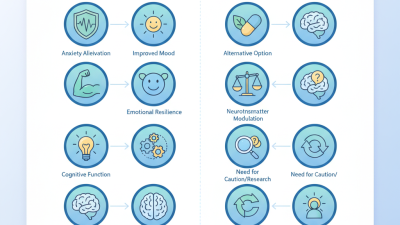
Boldenone is an anabolic-androgenic steroid developed for veterinary use, not an established human treatment. It can interact with androgen receptors and alter protein and blood-cell production. Some users expect more muscle or stamina, but those effects are not predictable or reliably supported by high-quality human research. The body is not a simple machine.

A rise in red blood cells may sound helpful for oxygen delivery, yet it can also thicken blood and strain the heart and circulation. Changes in cholesterol, blood pressure, acne, hair loss, mood, and natural hormone production are possible. In women, voice changes and increased facial hair may not reverse. Fertility can also be affected. These are real trade-offs.

Athletic performance depends on training, sleep, nutrition, and health—not one compound. Any perceived strength gain can come with health costs, and personal accounts cannot establish safety. That distinction matters. There is limited reliable evidence to define a safe human use, so claims of controlled, risk-free cutting deserve skepticism. A clinician can assess symptoms and explain evidence-based options, especially if someone has already used it.

Why Is Boldenone Used for Cutting Despite Limited Evidence?

Boldenone is discussed in physique circles because some people believe it may help preserve muscle during a calorie deficit. The appeal is easy to picture: fewer lost centimeters around the waist, while strength stays steadier in the gym. Some also describe gradual changes rather than rapid weight shifts. These are claims, not dependable clinical findings.

The evidence gap matters. There is no strong human research showing that boldenone safely improves cutting results. Anecdotes can sound convincing, but they cannot separate a compound’s effects from diet, training, genetics, or other substances. That distinction is often missed.

There are real health concerns. Anabolic-androgenic compounds can disrupt natural hormone production and may affect cholesterol, blood pressure, mood, and fertility. They may also raise red blood cell levels, increasing strain on the circulatory system. Risks differ between people, and some changes may not be obvious until testing. “Lean” does not mean safe.

A clinician can assess individual risks with medical history and appropriate tests. Body-composition goals are better approached through measured nutrition, resistance training, sleep, and realistic timelines. Even so, those basics can feel frustratingly slow. That is worth acknowledging.

What Health Risks Are Associated With Boldenone Use?

Boldenone is an anabolic-androgenic steroid developed for veterinary use, not a routine human medicine. Its effects and risks in people are not well established through controlled medical research. That uncertainty matters. Reports and clinical knowledge about related steroids point to possible changes in cholesterol, blood pressure, and red blood cell levels. A rising red blood cell count can thicken the blood and raise strain on the heart and circulation. Serious outcomes may include blood clots, heart attack, or stroke.

Hormone disruption is another concern. Natural testosterone production may fall, with possible testicular shrinkage, reduced fertility, and sexual problems. Women may experience menstrual changes, acne, increased facial hair, or a deeper voice; some changes can persist. Mood changes, irritability, and sleep problems are also possible. The risks vary. They may depend on a person’s health, exposure, and other substances, so no dose can be called reliably safe. Unregulated products can also contain unexpected ingredients or contaminants. Anyone who has used boldenone and develops chest pain, shortness of breath, severe headache, or sudden weakness should seek urgent medical care. A clinician can assess symptoms and discuss confidential support without judgment.

What Is Boldenone’s Legal and Medical Status?

Boldenone is an anabolic-androgenic steroid associated mainly with veterinary medicine. In the United States, it is not approved for human medical use. Its regulatory status differs across countries, so current guidance from local health authorities matters. A substance’s availability does not establish that it is safe or suitable for people.

Medical evidence for human use is limited. Potential concerns include changes in blood pressure, cholesterol, red blood cell levels, and natural hormone production. These effects can be difficult to notice without clinical assessment. “Cutting” is a fitness goal, not a medical indication. The distinction can feel blurry when online claims sound confident, but they are not a substitute for reliable evidence. A licensed clinician can discuss safer, evidence-based approaches and assess individual health risks.

Tips: Check official health-authority information for your location. Ask a clinician about any substance you are considering, and seek medical advice for unexpected symptoms. Keep the conversation factual; embarrassment should not delay care.

What Is Boldenone and Is It Safe for Cutting? — Legal and Medical Status

Topic Factual status Relevance to cutting
What boldenone is Boldenone is an anabolic-androgenic steroid. Boldenone undecylenate has been used in veterinary medicine in some jurisdictions. It is not an established or approved human fat-loss treatment.
Human medical approval In the United States, boldenone is not FDA-approved for human use. Human approval and regulation differ by country; check the applicable national medicines regulator. Veterinary use does not establish that a substance is safe or effective for human physique or weight-loss purposes.
Prescription and possession laws In the United States, boldenone is listed as a Schedule III controlled substance under federal law. Rules on possession, prescribing, and importation vary by jurisdiction. Nonmedical use or possession may carry legal consequences. Local laws should be checked with an authoritative government source.
Sports rules Boldenone is prohibited at all times under the World Anti-Doping Agency Prohibited List, including during and outside competition. A positive test can result in sports sanctions. Athletes should consult their sport’s anti-doping rules.
Evidence for cutting There is no established, approved human indication for using boldenone to reduce body fat, and high-quality clinical evidence supporting this use is lacking. It should not be regarded as a proven or medically supervised cutting method.
Potential health risks Nonmedical anabolic-steroid use can disrupt natural hormone production and fertility, worsen cholesterol and blood pressure, and increase cardiovascular and other health risks. Individual effects vary. These risks are not offset by evidence that boldenone safely improves fat loss.
Product quality and exposure Products obtained outside regulated medical channels may have uncertain identity, strength, purity, or contamination. Uncertainty can add risk and makes the actual dose or substance difficult to verify.

Safety note: This table is general information, not medical or legal advice. Anyone who has used boldenone or is considering it should discuss the situation confidentially with a qualified healthcare professional. For legal status, consult the relevant government authority in your jurisdiction.