Why Choose Aniracetam Supplement for Cognitive Enhancement?
In recent years, the interest in cognitive enhancement has surged. Many individuals seek ways to boost their mental performance and focus. One popular option gaining attention is the Aniracetam Supplement. This nootropic is celebrated for its potential benefits in improving memory and cognitive function.
Aniracetam is known for its unique mechanism of action in the brain. It modulates neurotransmitters, which are crucial for communication between brain cells. This supplement may enhance learning, creativity, and mood. Users report increased mental clarity and motivation after its use. However, the experiences can vary from person to person.
Despite the promising advantages, it is vital to approach Aniracetam with caution. Research on long-term effects is still limited. It is essential to consult healthcare professionals before starting this or any supplement. Personal reflection on one’s own cognitive needs and experiences can help in making informed choices. Engaging with reliable sources is crucial for anyone considering an Aniracetam Supplement.

Benefits of Aniracetam for Cognitive Enhancement
Aniracetam is gaining attention for its potential benefits in cognitive enhancement.
Research indicates that it may improve memory, focus, and overall cognitive function.
A study published in the Journal of Psychopharmacology reported that participants taking Aniracetam exhibited
improved verbal memory and learning capacity compared to those who did not. This effect is particularly important for students and professionals aiming to
boost their performance.
Aniracetam works by modulating neurotransmitters. This modulation can enhance synaptic plasticity, which is vital
for learning. One report highlighted that improvements in cognitive function can be seen shortly after consumption, making it a popular choice for users
seeking immediate benefits.
Tips for maximizing Aniracetam's effectiveness include timing your dosage around mentally demanding tasks.
Also, consider pairing it with a healthy diet rich in omega-3 fatty acids.
These fats can support overall brain health. It’s crucial to assess your response to Aniracetam.
Individual reactions can differ greatly, and what works well for one person might not yield the same results for another.
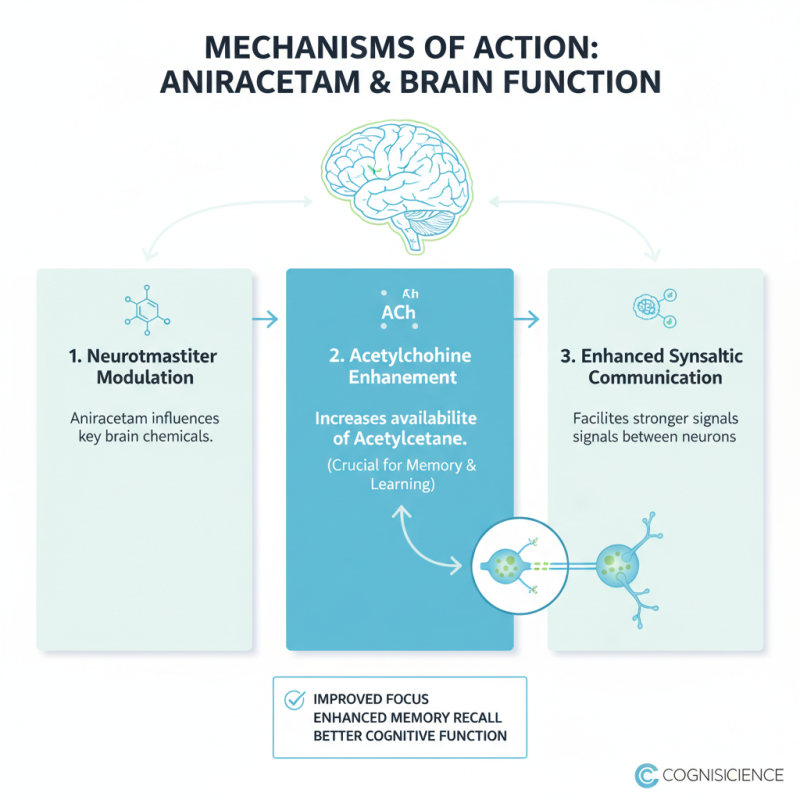
Mechanisms of Action: How Aniracetam Affects Brain Function
Aniracetam is known for its potential to enhance cognitive functions. Its effects are primarily linked to neurotransmitters in the brain. It specifically modulates acetylcholine, a key player in memory and learning. By increasing the availability of this neurotransmitter, Aniracetam may facilitate better synaptic communication. This leads to improved focus and memory recall.
In addition to acetylcholine modulation, Aniracetam influences AMPA receptors. These receptors play a major role in synaptic transmission and plasticity. Enhanced AMPA receptor activity can lead to stronger neural connections. This is essential for forming new memories and learning new information.
However, over-reliance on any supplement can be problematic. Achieving cognitive enhancement should involve a balanced approach. Lifestyle factors, such as diet and exercise, significantly impact brain health. While Aniracetam offers benefits, dependence could overshadow its effects. Therefore, it’s crucial to reflect on the broader context of cognitive well-being.
Clinical Studies: Evidence Supporting Aniracetam’s Efficacy
Aniracetam, a nootropic compound in the racetam family, shows promise for cognitive enhancement. Clinical studies highlight its effectiveness in improving memory and learning abilities. Research published in the "Journal of Psychopharmacology" found that Aniracetam significantly enhanced cognitive functions in older adults with cognitive decline. Participants reported improved memory recall after consistent use over 12 weeks.
Another study indicates Aniracetam's potential in reducing anxiety and improving mood. The "European Neuropsychopharmacology" journal showed that it could facilitate synaptic plasticity. This process is essential for learning and memory. Aniracetam appears to modulate glutamate receptors, which play a crucial role in these cognitive processes.
While Aniracetam boasts these benefits, variability in individual responses is common. Not everyone may experience the same level of cognitive improvement. Dosage and personal health factors could contribute to this inconsistency. Therefore, it is vital to approach its use thoughtfully and consider personal health needs. The potential benefits are clear, yet reflection on personal experiences and needs is equally important.
Dosage Recommendations: Optimizing Aniracetam for Cognitive Benefits
When considering Aniracetam for cognitive enhancement, dosage plays a crucial role. The effects can vary based on individual needs and responses. A common starting dosage is around 750 mg per day, divided into two or three doses. Some users report improved mental clarity and focus with this amount. However, others might find it less effective and may adjust their intake accordingly.
It's advisable to take Aniracetam with food. This can increase absorption and enhance its benefits. People often use it in cycles. For instance, some may take it for several weeks, then pause for a while. This allows the body to reset and can prevent any potential tolerance buildup.
Listening to your body is essential. Some may experience mild side effects like headaches or digestive issues. It’s crucial to monitor how you feel and adjust the dosage if necessary. There is no one-size-fits-all approach. Careful adjustments and attentive self-evaluation lead to the best outcomes.
Why Choose Aniracetam Supplement for Cognitive Enhancement?
| Aspect |
Details |
| Cognitive Benefits |
Enhancement of memory, learning, and focus. |
| Mechanism of Action |
Modulates AMPA receptors, leading to improved neurotransmission. |
| Recommended Dosage |
Typical dosage ranges from 750 mg to 1500 mg per day. |
| Timing of Dosage |
Best taken in the morning or before mentally demanding tasks. |
| Stacking Recommendations |
Can be stacked with choline sources for enhanced effects. |
| Potential Side Effects |
Generally well-tolerated; mild headaches or gastrointestinal issues may occur. |
| User Feedback |
Many users report improved mental clarity and focus. |
Potential Side Effects and Safety Profile of Aniracetam Use
Aniracetam is often explored for its cognitive enhancement benefits. However, potential side effects warrant a closer examination. Research indicates that while many users report positive effects on memory and learning, not everyone experiences the same outcomes. Some individuals may face side effects like headaches, dizziness, or gastrointestinal discomfort.
A population study published in the "Journal of Nootropic Research" notes that approximately 15% of users encounter negative side effects. It's essential to consider these statistics when deciding on supplementation. Each person's body reacts differently. Factors such as dosage and individual health conditions play a significant role in overall effects.
Moreover, long-term safety remains a topic of ongoing research. According to the European Journal of Psychopharmacology, more extensive clinical trials are needed. These studies must assess the long-term impact of Aniracetam on cognitive functions. This underscores the importance of cautious and informed use among individuals considering cognitive enhancers.